

As a dedicated supplier of parking brake cables, I often encounter various questions from customers, one of the most frequent being whether a parking brake cable can be bent without damage. This question is not only crucial for the end - users of vehicles but also for those in the automotive repair and maintenance industry. In this blog, I'll delve into the science behind parking brake cables, explore the impact of bending on them, and provide some practical insights based on my years of experience in the field.
Understanding Parking Brake Cables
Parking brake cables are an essential component of a vehicle's braking system. They connect the parking brake lever or pedal inside the vehicle to the brake mechanism at the wheels. When you engage the parking brake, the cable transfers the force from the lever or pedal to the brakes, holding the vehicle in place.
These cables are typically made of high - strength steel wires, which are bundled together and often encased in a protective outer sheath. The steel wires provide the necessary tensile strength to withstand the forces exerted during parking brake operation, while the sheath protects the wires from environmental factors such as moisture, dirt, and debris.
The Structure and Function of Parking Brake Cables
The inner steel wires of a parking brake cable are designed to carry the load. They are usually stranded, which means multiple thin wires are twisted together to form a single cable. This construction not only increases the cable's strength but also gives it some flexibility. The outer sheath, on the other hand, serves as a guide and a protector. It allows the cable to move smoothly within the vehicle's frame and prevents damage to the inner wires.
When the parking brake is engaged, the cable is pulled taut, and the force is transmitted to the brake calipers or drums at the wheels. This force causes the brakes to clamp down on the rotors or drums, preventing the wheels from turning.
Can a Parking Brake Cable be Bent without Damage?
The short answer is that it depends on several factors, including the degree of the bend, the type of cable, and the quality of its construction.
Degree of Bend
A slight bend in a parking brake cable is generally acceptable. In fact, during the installation process, cables often need to be routed around various components in the vehicle, which may require some gentle bending. As long as the bend is gradual and the radius of the bend is relatively large, the cable is unlikely to be damaged.
However, a sharp bend can cause significant problems. When a cable is bent at a sharp angle, the inner steel wires can become kinked. A kink in the cable can weaken the individual wires, reducing the overall strength of the cable. Over time, a kinked cable may break under the stress of normal parking brake operation.
Type of Cable
There are different types of parking brake cables available in the market. Some cables are more flexible than others, depending on the design and the materials used. For example, cables with a higher number of strands or those made from softer steel may be more resistant to damage from bending.
On the other hand, cables with a smaller diameter or fewer strands may be more prone to damage when bent. These cables have less overall strength and are more likely to kink or break under stress.
Quality of Construction
The quality of the cable's construction also plays a crucial role. High - quality cables are manufactured using precise techniques and high - grade materials. They are more likely to withstand bending without damage compared to low - quality cables.
For example, a well - made cable will have a uniform strand pattern and a durable outer sheath. The sheath will fit snugly around the inner wires, providing better protection and preventing moisture and debris from entering the cable.
Impact of Bending on Parking Brake Cable Performance
If a parking brake cable is bent in a way that causes damage, it can have several negative impacts on its performance.
Reduced Strength
As mentioned earlier, a kinked or damaged cable has reduced strength. This means that it may not be able to transmit the full force from the parking brake lever to the brakes. As a result, the parking brake may not hold the vehicle securely, increasing the risk of the vehicle rolling away.
Increased Friction
A bent cable can also increase friction within the cable. When the cable is kinked, the inner wires may rub against each other or against the outer sheath. This increased friction can make it more difficult to engage and disengage the parking brake, and it can also cause premature wear of the cable.
Premature Failure
Over time, a damaged cable is more likely to fail completely. A kinked or weakened cable may break under the stress of normal parking brake operation, leaving the vehicle without a functioning parking brake. This can be extremely dangerous, especially if the vehicle is parked on an incline.
Preventing Damage to Parking Brake Cables
To ensure the longevity and proper functioning of parking brake cables, it's important to take some preventive measures.
Proper Installation
During installation, make sure to route the cable carefully. Avoid sharp bends and ensure that the cable has a smooth path around any obstacles. Use cable guides and clips to hold the cable in place and prevent it from rubbing against other components.

Regular Inspection
Regularly inspect the parking brake cables for signs of damage. Look for kinks, fraying, or corrosion on the inner wires and the outer sheath. If you notice any damage, replace the cable immediately.
Maintenance
Keep the parking brake cables clean and lubricated. A clean and well - lubricated cable will operate more smoothly and have less friction. Use a suitable lubricant to coat the cable, following the manufacturer's recommendations.
Related Products
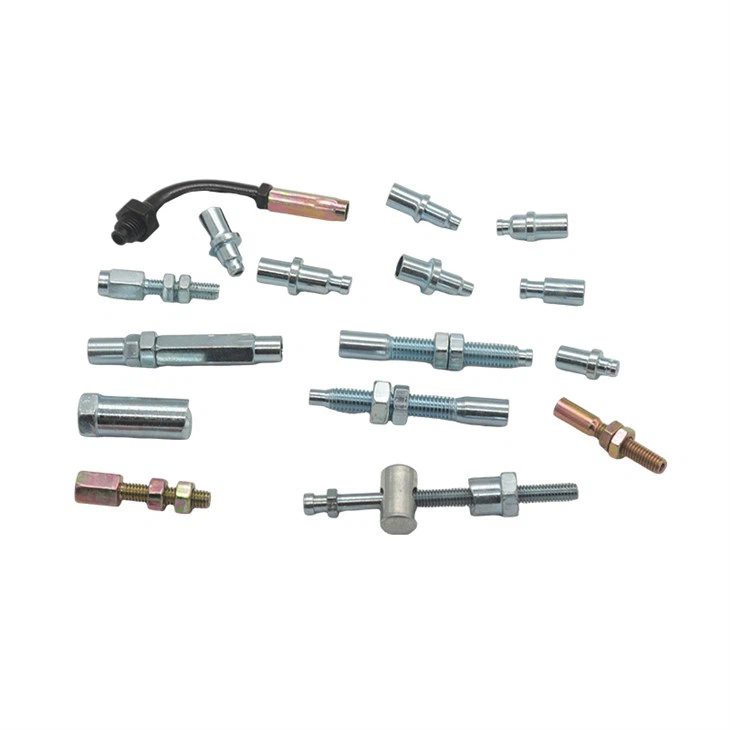
In addition to parking brake cables, we also offer a range of related products such as Speedometer Cable, Bowden Cable, and Cable End Fitting. These products are designed to meet the highest standards of quality and performance, ensuring a reliable solution for your automotive needs.
Conclusion
In conclusion, while a parking brake cable can withstand some gentle bending during normal installation and use, a sharp or severe bend can cause damage. It's important to understand the factors that affect a cable's ability to withstand bending and to take appropriate measures to prevent damage.
As a parking brake cable supplier, we are committed to providing high - quality products that meet the needs of our customers. If you have any questions about parking brake cables or need to purchase cables for your vehicles, please feel free to contact us for procurement discussions. We look forward to serving you and helping you find the best solutions for your automotive requirements.
References
- Automotive Brake Systems Handbook, Third Edition by Thomas D. Gillespie
- The Science of Vehicle Braking by John R. Dixon