

As a seasoned supplier of speedometer cables, I've encountered numerous inquiries regarding the application of speedometer cables in commercial vehicles. This blog aims to comprehensively explore whether a speedometer cable can be used in a commercial vehicle, delving into technical aspects, practical considerations, and the associated benefits and challenges.
Technical Feasibility
The fundamental principle of a speedometer cable is to transmit the rotational speed of the vehicle's transmission to the speedometer gauge, enabling the driver to monitor the vehicle's speed accurately. In theory, the basic mechanism is the same for both passenger cars and commercial vehicles. However, commercial vehicles, such as trucks, buses, and vans, have distinct characteristics that need to be considered.

Commercial vehicles typically operate under more demanding conditions compared to passenger cars. They often carry heavier loads, cover longer distances, and are subjected to rougher terrains. As a result, the speedometer cable in a commercial vehicle must be able to withstand higher levels of stress, vibration, and temperature variations.
Our speedometer cables are designed with high - quality materials to meet these requirements. For instance, the inner core of the cable is usually made of a durable metal alloy that can resist wear and tear. The outer casing is also engineered to provide excellent protection against environmental factors such as moisture, dust, and chemicals.
Compatibility with Commercial Vehicle Systems
When considering using a speedometer cable in a commercial vehicle, compatibility with the vehicle's existing systems is crucial. Different commercial vehicles may have different transmission systems, speedometer gauges, and mounting configurations.
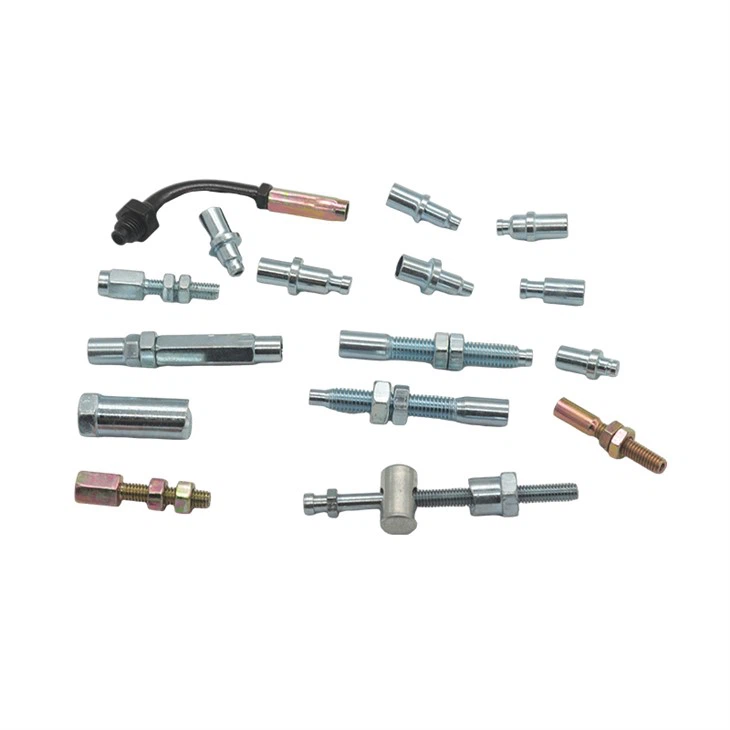
Our company offers a wide range of speedometer cables with various specifications to ensure compatibility with different commercial vehicle models. We have cables with different lengths, diameters, and end fittings to meet the specific needs of each vehicle. For example, some commercial vehicles may require a Cable End Fitting that can be easily attached to the transmission and the speedometer gauge, while others may need an Adjustable Screw Joint for precise adjustment.
Moreover, we also provide Zinc Alloy Die Casting Joints for added strength and durability. These joints are designed to withstand the high torque and stress that are common in commercial vehicle applications.
Benefits of Using Speedometer Cables in Commercial Vehicles
- Accurate Speed Measurement: A properly functioning speedometer cable ensures accurate speed measurement, which is essential for safe driving. Commercial vehicle drivers need to comply with speed limits, and an accurate speedometer helps them avoid speeding tickets and potential accidents.
- Cost - Effectiveness: Compared to some electronic speed sensing systems, speedometer cables are relatively inexpensive. They are also easier to install and maintain, which can result in significant cost savings for commercial vehicle operators.
- Reliability: Mechanical speedometer cables have been used in vehicles for many years and have proven to be reliable. They are not as susceptible to electrical failures as electronic sensors, making them a dependable option for commercial vehicles that operate in harsh environments.
Challenges and Considerations
- Maintenance Requirements: Although speedometer cables are generally reliable, they do require regular maintenance. Over time, the cable may become worn or damaged, which can affect its performance. Regular inspection and lubrication of the cable can help extend its lifespan.
- Limited Functionality: Speedometer cables only provide speed information. In modern commercial vehicles, there is a growing demand for more advanced data, such as mileage, fuel consumption, and engine diagnostics. Electronic speed sensing systems may be better suited for vehicles that require these additional features.
- Installation Complexity: While our speedometer cables are designed for easy installation, some commercial vehicle models may have complex transmission and gauge systems. In such cases, professional installation may be required to ensure proper functioning.
Case Studies
To illustrate the practical application of speedometer cables in commercial vehicles, let's look at a few case studies.
Case 1: A Local Delivery Truck Fleet
A local delivery truck fleet was experiencing issues with inaccurate speedometer readings. After replacing the old speedometer cables with our high - quality cables, the drivers reported a significant improvement in speed measurement accuracy. The fleet manager also noticed a reduction in maintenance costs due to the reliability of the new cables.
Case 2: A Long - Haul Bus Company
A long - haul bus company was looking for a cost - effective solution to replace their failing electronic speed sensors. They decided to switch to our speedometer cables, which were not only more affordable but also easier to install and maintain. The buses have been operating smoothly since the installation, and the company has saved a considerable amount of money.
Conclusion
In conclusion, a speedometer cable can indeed be used in a commercial vehicle. With the right design, materials, and compatibility, it can provide accurate speed measurement, cost - effectiveness, and reliability. However, it is important to consider the specific requirements of the commercial vehicle, such as its operating conditions, system compatibility, and maintenance needs.
As a leading supplier of speedometer cables, we are committed to providing high - quality products that meet the diverse needs of commercial vehicle operators. Our extensive range of cables and accessories, including Cable End Fitting, Adjustable Screw Joint, and Zinc Alloy Die Casting Joints, ensures that we can offer the best solutions for your commercial vehicle.
If you are interested in learning more about our speedometer cables or have any questions regarding their application in your commercial vehicles, please feel free to contact us. We are always ready to assist you in finding the right products for your needs and engaging in procurement discussions.
References
- Automotive Engineering Handbook, Third Edition, Edited by Thomas D. Gillespie
- Modern Truck Technology: Diesel Engines, Emissions, and Alternate Fuels, Fourth Edition, by James D. Halderman