

Push pull cables are essential components in a wide range of applications, from automotive systems to industrial machinery. As a leading push pull cable supplier, we are often asked whether these cables require lubrication. In this blog post, we will delve into the science behind push pull cables, the role of lubrication, and the factors to consider when deciding whether to lubricate your cables.
Understanding Push Pull Cables
Push pull cables, also known as control cables or Bowden cables, are flexible mechanical devices used to transmit force or motion from one point to another. They consist of an inner cable that slides within an outer sheath, allowing for the transfer of linear motion around bends and corners. These cables are commonly used in applications such as throttle control, brake systems, and gear shifting in vehicles, as well as in various industrial and marine equipment.
The Bowden Cable design is particularly popular due to its simplicity and versatility. It allows for the efficient transmission of force over long distances and around obstacles, making it ideal for a wide range of applications. However, the performance and longevity of push pull cables can be significantly affected by factors such as friction, wear, and corrosion.
The Role of Lubrication
Lubrication plays a crucial role in the performance and durability of push pull cables. By reducing friction between the inner cable and the outer sheath, lubrication can improve the smoothness of operation, reduce wear and tear, and extend the lifespan of the cable. Additionally, lubrication can help to prevent corrosion and rust, which can weaken the cable and lead to premature failure.
There are several types of lubricants that can be used for push pull cables, including grease, oil, and dry lubricants. Grease is a thick, viscous lubricant that provides long-lasting protection and is ideal for applications where the cable is exposed to high temperatures or heavy loads. Oil is a thinner, more fluid lubricant that can provide better penetration and is suitable for applications where the cable requires frequent movement. Dry lubricants, such as graphite or PTFE, are ideal for applications where cleanliness is a concern, as they do not attract dirt and debris.
Factors to Consider
When deciding whether to lubricate your push pull cables, there are several factors to consider. These include the application, the operating environment, the type of cable, and the frequency of use.
- Application: The type of application will determine the level of lubrication required. For example, cables used in high-performance automotive applications may require more frequent lubrication than those used in less demanding industrial applications.
- Operating Environment: The operating environment can also have a significant impact on the need for lubrication. Cables exposed to harsh conditions, such as high temperatures, moisture, or dirt, may require more frequent lubrication to prevent corrosion and wear.
- Type of Cable: Different types of push pull cables may have different lubrication requirements. For example, cables with a stainless steel inner cable may require less lubrication than those with a galvanized steel inner cable, as stainless steel is more resistant to corrosion.
- Frequency of Use: The frequency of use will also affect the need for lubrication. Cables that are used frequently may require more frequent lubrication to maintain their performance and longevity.
Benefits of Lubrication
Lubricating your push pull cables can provide several benefits, including:
- Improved Performance: By reducing friction, lubrication can improve the smoothness of operation and make it easier to control the cable. This can result in better performance and increased efficiency.
- Reduced Wear and Tear: Lubrication can help to reduce wear and tear on the inner cable and the outer sheath, extending the lifespan of the cable and reducing the need for frequent replacements.
- Corrosion Protection: Lubrication can help to prevent corrosion and rust, which can weaken the cable and lead to premature failure. This is particularly important in applications where the cable is exposed to moisture or harsh chemicals.
- Noise Reduction: Lubrication can also help to reduce noise and vibration, making the cable quieter and more comfortable to use.
When Not to Lubricate
While lubrication can provide many benefits, there are some situations where it may not be necessary or even recommended. For example, some push pull cables are designed to operate without lubrication, such as those used in cleanroom environments or applications where lubricants could contaminate the product. Additionally, over-lubrication can attract dirt and debris, which can actually increase friction and wear.
Conclusion
In conclusion, whether or not push pull cables require lubrication depends on several factors, including the application, the operating environment, the type of cable, and the frequency of use. In most cases, lubrication can provide significant benefits, such as improved performance, reduced wear and tear, and corrosion protection. However, it is important to choose the right type of lubricant and to apply it correctly to avoid over-lubrication and other issues.
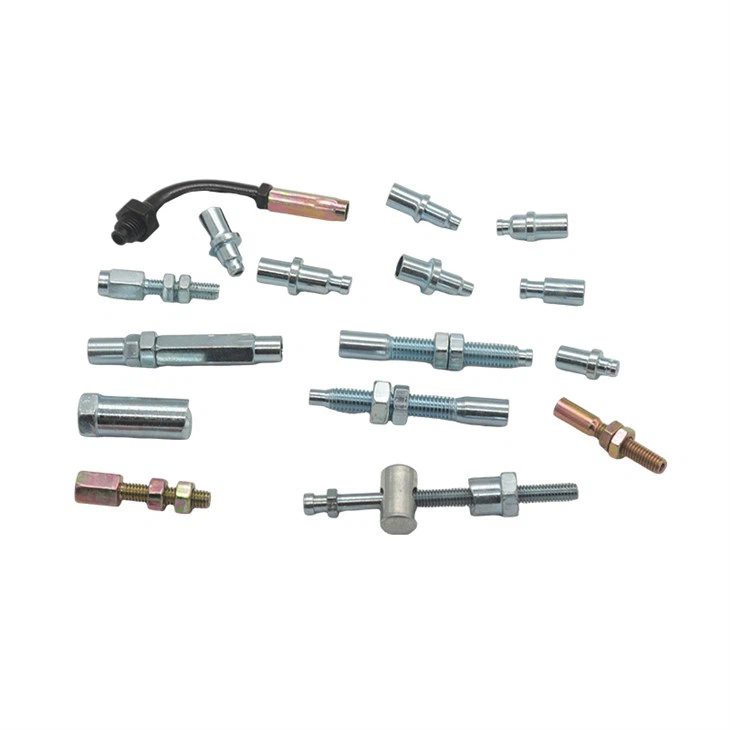

As a trusted push pull cable supplier, we offer a wide range of high-quality cables and accessories, including Auto Brake Cable and Cable End Fitting. Our team of experts can help you choose the right cable for your application and provide guidance on lubrication and maintenance. If you have any questions or would like to discuss your specific requirements, please do not hesitate to contact us. We look forward to working with you to meet your push pull cable needs.
References
- "Push Pull Cables: Design, Selection, and Installation," Industrial Press Inc., 2010.
- "Cable Lubrication: Best Practices and Considerations," Machinery Lubrication, 2018.
- "The Role of Lubrication in Cable Performance," Lubrication Engineers, 2019.