

Hey there! As an auto push pull cable supplier, I've seen my fair share of cables in different conditions. One question that comes up a lot from our customers is, "How can I tell if my auto push pull cable needs to be replaced?" Well, I'm here to break it down for you.
1. Visual Inspection
The first and easiest way to check your auto push pull cable is through a visual inspection. Start by looking at the outer sheath of the cable. If you notice any cracks, cuts, or abrasions, it's a red flag. These damages can expose the inner wires or strands of the cable, which can lead to further problems like corrosion or breakage.
For example, if you see a long crack on the outer layer of the cable, it might be letting in moisture. Over time, this moisture can rust the inner components, weakening the cable's strength. Also, pay attention to any signs of fraying at the ends of the cable. Frayed ends can cause the cable to lose its grip or even snap during operation.
Another thing to look for is the overall appearance of the cable. If it looks dirty, greasy, or has a lot of debris stuck to it, it could be a sign that it's been through a lot. A clean cable generally indicates better maintenance and less wear and tear. You can use a clean cloth to wipe down the cable and get a better look at its condition.
2. Mobility and Functionality
Next, you need to test the mobility and functionality of the cable. This is where you'll really get a sense of whether the cable is still in good working order. Start by moving the cable back and forth as you would during normal operation. If you feel any resistance, stiffness, or if the cable doesn't move smoothly, it could be a sign that it's time for a replacement.
For instance, in a throttle cable, if you have to use a lot of force to open or close the throttle, the cable might be binding up somewhere. This could be due to internal damage, such as a kink in the inner wire or a problem with the cable housing. Similarly, if the cable seems to stick or not return to its original position after being moved, that's also a bad sign.
You can also check the connection points of the cable. Make sure they're secure and that there's no looseness or play. If the cable is rattling or moving around at the connection points, it can cause inconsistent performance and potentially lead to damage over time.
3. Age and Usage
The age and usage of the cable are also important factors to consider. Like any other part in your vehicle, auto push pull cables have a limited lifespan. If your cable is several years old or has been used extensively, it's more likely to need replacement.

For example, if you have a vehicle that's used for heavy-duty work, like towing or hauling, the cables are going to experience more stress and wear compared to a regular commuter car. In this case, you might need to replace the cables more frequently. On the other hand, if your vehicle is only used occasionally, the cables might last longer.
As a general rule of thumb, if your cable is over five years old, it's a good idea to start keeping a closer eye on its condition. Even if it seems to be working fine, the internal components could be starting to deteriorate, and it's better to be proactive than to wait for a breakdown.
4. Noise and Vibration
Pay attention to any unusual noises or vibrations coming from the area where the cable is installed. If you hear a grinding, clicking, or squeaking sound when the cable is in use, it could be a sign of internal damage. These noises can indicate that the cable is rubbing against something, or that there's a problem with the moving parts inside the cable.
Vibrations can also be a sign of trouble. Excessive vibrations can cause the cable to wear out faster and can even lead to damage to other components in the system. If you notice any vibrations that weren't there before, it's worth investigating the cable to see if it's the source of the problem.
5. Compatibility with Accessories
If you've recently added any accessories to your vehicle that use the auto push pull cable, it's important to make sure they're compatible. Sometimes, using incompatible accessories can put extra stress on the cable and cause it to wear out prematurely.
For example, if you've installed a more powerful throttle body or a different type of transmission control, the cable might not be able to handle the increased load. This can lead to faster wear and eventual failure. Make sure to check the specifications of the accessories and the cable to ensure they're a good match.
6. The Role of Cable End Fittings and Related Accessories
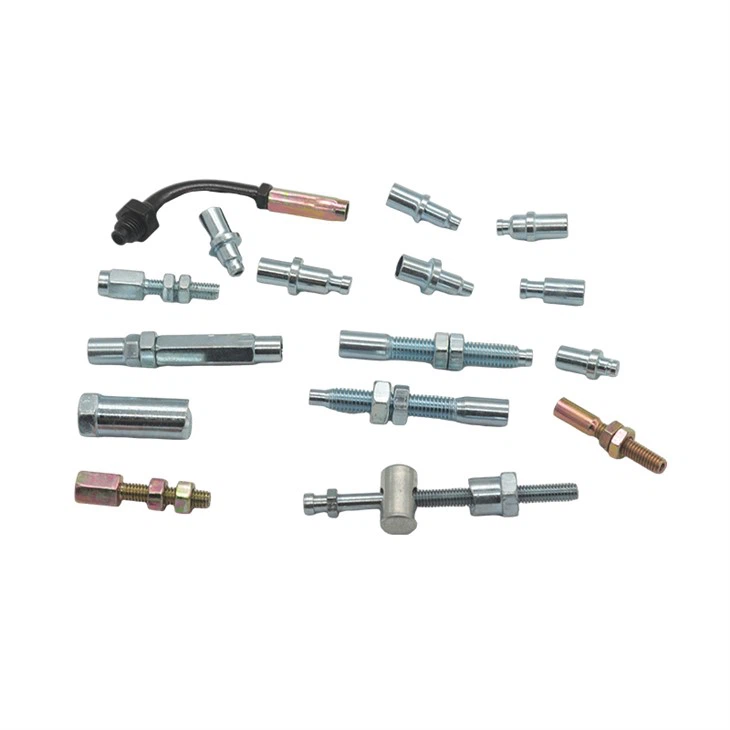
Now, let's talk about some of the important accessories that can affect the performance and lifespan of your auto push pull cable. One of these is the Cable End Fitting. These fittings are used to connect the cable to the various components in your vehicle, such as the throttle, brakes, or transmission.
If the cable end fittings are damaged or worn out, it can cause the cable to come loose or not function properly. You should regularly check these fittings for signs of damage, such as cracks, bends, or corrosion. If you notice any problems with the cable end fittings, it's important to replace them as soon as possible to prevent further damage to the cable.
Another important accessory is the Bowden Cable. Bowden cables are often used in applications where a flexible connection is needed. They consist of an inner wire surrounded by a protective outer sheath. If the outer sheath of the Bowden cable is damaged, it can expose the inner wire to dirt, moisture, and other contaminants, which can lead to corrosion and failure.
Finally, the Adjustable Screw Joint is another component that can affect the performance of your cable. This joint allows you to adjust the length and tension of the cable, which is important for proper operation. If the adjustable screw joint is loose or damaged, it can cause the cable to be too tight or too loose, leading to inconsistent performance.
Conclusion
So, there you have it! These are some of the key ways to tell if your auto push pull cable needs to be replaced. By regularly inspecting your cable, testing its mobility, and considering its age and usage, you can catch potential problems early and avoid costly breakdowns.
If you're in the market for a new auto push pull cable or any of the related accessories, we're here to help. As a trusted supplier, we offer high-quality cables and accessories that are designed to meet the needs of your vehicle. Whether you're a professional mechanic or a DIY enthusiast, we have the products you need to get the job done right.
Don't hesitate to reach out to us if you have any questions or if you're interested in purchasing our products. We're always happy to assist you and provide you with the best solutions for your auto push pull cable needs.
References
- Automotive Repair Manuals
- Industry Publications on Auto Parts Maintenance
- Manufacturer's Specifications for Auto Push Pull Cables