

Troubleshooting a speedo cable issue can be a daunting task, but with the right knowledge and approach, it can be resolved efficiently. As a speedo cable supplier, I've encountered numerous cases of speedo cable problems and have gained valuable insights into the troubleshooting process. In this blog post, I'll share some common speedo cable issues and how to troubleshoot them.
Understanding the Speedometer Cable System
Before diving into troubleshooting, it's essential to understand how the speedometer cable system works. The speedometer cable is a flexible shaft that connects the transmission to the speedometer gauge on the dashboard. As the vehicle moves, the transmission rotates a gear, which in turn spins the speedometer cable. The cable then transfers this rotational motion to the speedometer gauge, causing the needle to move and indicate the vehicle's speed.
Common Speedometer Cable Issues
There are several common issues that can occur with a speedometer cable. Here are some of the most frequent problems and their symptoms:
1. Broken or Worn Cable
A broken or worn speedometer cable is one of the most common issues. Over time, the cable can become frayed, kinked, or snapped due to constant use, exposure to heat, or mechanical stress. Symptoms of a broken or worn cable include a speedometer that reads zero or fluctuates erratically, or a cable that feels loose or has a lot of play.
2. Stuck or Binding Cable
A stuck or binding speedometer cable can prevent the speedometer from functioning correctly. This can be caused by dirt, debris, or corrosion inside the cable housing, or by a misaligned or damaged cable end fitting. Symptoms of a stuck or binding cable include a speedometer that moves slowly or not at all, or a cable that feels stiff or difficult to turn.

3. Incorrect Cable Installation
If the speedometer cable is not installed correctly, it can cause problems with the speedometer's accuracy. This can include improper alignment, incorrect cable length, or loose connections. Symptoms of incorrect cable installation include a speedometer that reads higher or lower than the actual speed, or a cable that makes noise or vibrates while the vehicle is in motion.
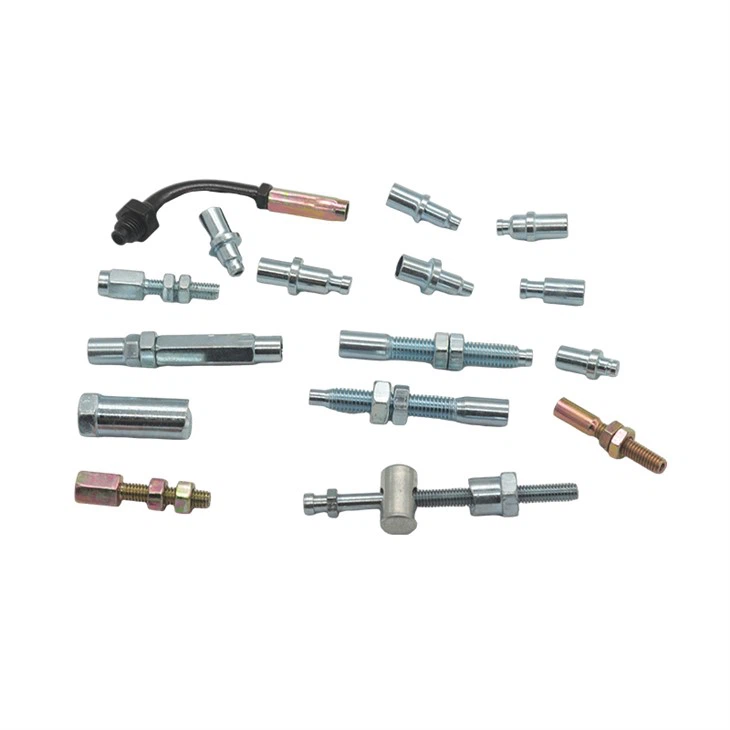
4. Damaged Cable End Fittings
The cable end fittings are the connectors that attach the speedometer cable to the transmission and the speedometer gauge. If these fittings are damaged or worn, they can cause problems with the cable's operation. Symptoms of damaged cable end fittings include a speedometer that reads zero or fluctuates erratically, or a cable that comes loose or falls off.
Troubleshooting Steps
Now that we've identified some common speedometer cable issues, let's discuss the steps you can take to troubleshoot them.
Step 1: Visual Inspection
The first step in troubleshooting a speedometer cable issue is to perform a visual inspection of the cable and its components. Start by locating the speedometer cable under the vehicle. It is usually attached to the transmission and runs up to the dashboard. Check the cable for any signs of damage, such as fraying, kinking, or breaks. Also, inspect the cable end fittings for any signs of wear or damage. If you notice any issues, the cable or fittings may need to be replaced.
Step 2: Check for Binding or Sticking
Next, check the cable for binding or sticking. With the vehicle in park and the engine off, try to turn the cable by hand at the transmission end. The cable should turn smoothly and without any resistance. If the cable feels stiff or difficult to turn, it may be stuck or binding. In this case, you can try lubricating the cable with a suitable lubricant, such as graphite powder or silicone spray. If the problem persists, the cable may need to be replaced.
Step 3: Verify Cable Installation
Make sure the speedometer cable is installed correctly. Check the alignment of the cable at both the transmission and the speedometer gauge. The cable should be straight and not kinked or twisted. Also, ensure that the cable is the correct length and that the end fittings are securely attached. If the cable is not installed correctly, it can cause problems with the speedometer's accuracy.
Step 4: Test the Speedometer Gauge
If you've checked the cable and its components and everything seems to be in order, the problem may be with the speedometer gauge itself. To test the gauge, you can use a multimeter to measure the electrical resistance across the gauge terminals. Refer to the vehicle's service manual for the correct resistance values. If the resistance is outside the specified range, the gauge may be faulty and need to be replaced.
Step 5: Replace the Speedometer Cable or Components
If you've determined that the speedometer cable or its components are damaged or worn, they will need to be replaced. As a speedo cable supplier, we offer a wide range of Speedometer Cable options to fit various vehicle makes and models. We also carry Push Pull Cable and Cable End Fitting to ensure a complete and proper installation.
Preventive Maintenance
To avoid speedometer cable issues in the future, it's important to perform regular preventive maintenance. Here are some tips to keep your speedometer cable in good condition:
- Lubricate the Cable: Periodically lubricate the speedometer cable with a suitable lubricant to prevent binding and sticking.
- Keep the Cable Clean: Keep the cable and its components clean and free of dirt, debris, and corrosion.
- Inspect the Cable Regularly: Check the speedometer cable for any signs of damage or wear during routine vehicle maintenance.
- Replace the Cable as Needed: If the cable shows signs of significant wear or damage, replace it promptly to avoid further problems.
Conclusion
Troubleshooting a speedo cable issue requires a systematic approach and a basic understanding of how the speedometer cable system works. By following the steps outlined in this blog post, you can identify and resolve common speedo cable problems. If you need assistance or have any questions about speedometer cables or their installation, please don't hesitate to contact us. We're here to help you find the right solutions for your vehicle. Whether you're a professional mechanic or a DIY enthusiast, we have the products and expertise to meet your needs. Reach out to us to discuss your requirements and explore our wide range of speedo cable products.
References
- "Automotive Electrical and Electronic Systems" by William H. Crouse and Donald L. Anglin
- Vehicle service manuals for specific makes and models