

Hey there! As a supplier of zinc alloy joints, I've seen firsthand how oxidation can be a real headache. Oxidation not only affects the appearance of zinc alloy joints but also their performance and lifespan. In this blog, I'm gonna share some practical tips on how to prevent oxidation of zinc alloy joints.
Understanding Oxidation of Zinc Alloy Joints
Before we dive into the prevention methods, let's quickly understand what oxidation is and why it happens to zinc alloy joints. Oxidation is a chemical reaction that occurs when zinc alloy comes into contact with oxygen in the air. This reaction forms zinc oxide on the surface of the joints, which appears as a dull, white or grayish coating.
Several factors can accelerate the oxidation process. Humidity is a major culprit. High humidity levels provide the moisture needed for the oxidation reaction to occur more rapidly. Exposure to certain chemicals, such as acids or alkalis, can also speed up oxidation. Additionally, scratches or damage to the surface of the zinc alloy joints can expose the underlying metal, making it more vulnerable to oxidation.
Surface Treatment
One of the most effective ways to prevent oxidation is through proper surface treatment. There are several surface treatment methods available, and I'll go over some of the popular ones.
Electroplating
Electroplating is a process where a thin layer of another metal, such as nickel, chromium, or copper, is deposited onto the surface of the zinc alloy joints. This layer acts as a barrier, preventing oxygen and moisture from reaching the zinc alloy. For example, nickel plating is known for its excellent corrosion resistance. It creates a smooth, shiny surface that not only protects the joints from oxidation but also enhances their appearance.
Passivation
Passivation is a chemical treatment that forms a thin, protective oxide layer on the surface of the zinc alloy. This layer is more stable than the natural oxide layer that forms during normal oxidation. Passivation can be done using various chemicals, such as nitric acid or citric acid. It's a relatively simple and cost - effective method to improve the corrosion resistance of zinc alloy joints.
Painting
Painting the zinc alloy joints is another option. A good quality paint can provide a physical barrier against oxygen and moisture. There are special paints available that are designed for metal surfaces and offer excellent adhesion and corrosion resistance. When painting, make sure the surface is clean and dry before applying the paint. You may need to apply multiple coats for better protection.
Storage and Handling
How you store and handle zinc alloy joints also plays a crucial role in preventing oxidation.
Storage Conditions
Store zinc alloy joints in a dry environment. If possible, use a dehumidifier in the storage area to keep the humidity levels low. A humidity level of around 30 - 50% is ideal. Avoid storing the joints in areas where they are exposed to direct sunlight, as this can cause temperature fluctuations and potentially accelerate oxidation. Also, keep the joints away from sources of chemicals or pollutants, such as industrial fumes or cleaning agents.
Handling Precautions
When handling zinc alloy joints, wear gloves to prevent the transfer of sweat and oils from your hands to the surface of the joints. Sweat contains salts and acids that can promote oxidation. If the joints need to be cleaned, use a mild detergent and a soft cloth. Avoid using abrasive cleaners or brushes, as these can scratch the surface and make the joints more prone to oxidation.
Packaging
Proper packaging is essential to protect zinc alloy joints during transportation and storage.
Anti - Oxidation Packaging Materials
There are special anti - oxidation packaging materials available, such as anti - rust paper or plastic bags with anti - corrosion properties. These materials can absorb moisture and release anti - oxidation agents, providing an extra layer of protection. For example, anti - rust paper contains chemicals that react with oxygen to prevent oxidation.
Sealed Packaging
Sealing the joints in airtight packaging can also help. This prevents oxygen and moisture from entering the package. You can use vacuum - sealed bags or sealed plastic containers. If you're shipping the joints, make sure the packaging is sturdy enough to protect them from damage during transit.
Regular Inspection and Maintenance
Even with all the preventive measures in place, it's still important to regularly inspect and maintain zinc alloy joints.
Inspection
Regularly check the joints for any signs of oxidation, such as discoloration or the formation of a white or grayish coating. If you notice any early signs of oxidation, take immediate action to prevent it from spreading. You can use a magnifying glass to get a closer look at the surface of the joints.
Maintenance
If oxidation is detected, you can clean the joints using a mild abrasive or a specialized metal cleaner. After cleaning, re - apply the appropriate surface treatment if necessary. For example, if the paint has been damaged, you may need to touch up the paint.
Applications and Related Products
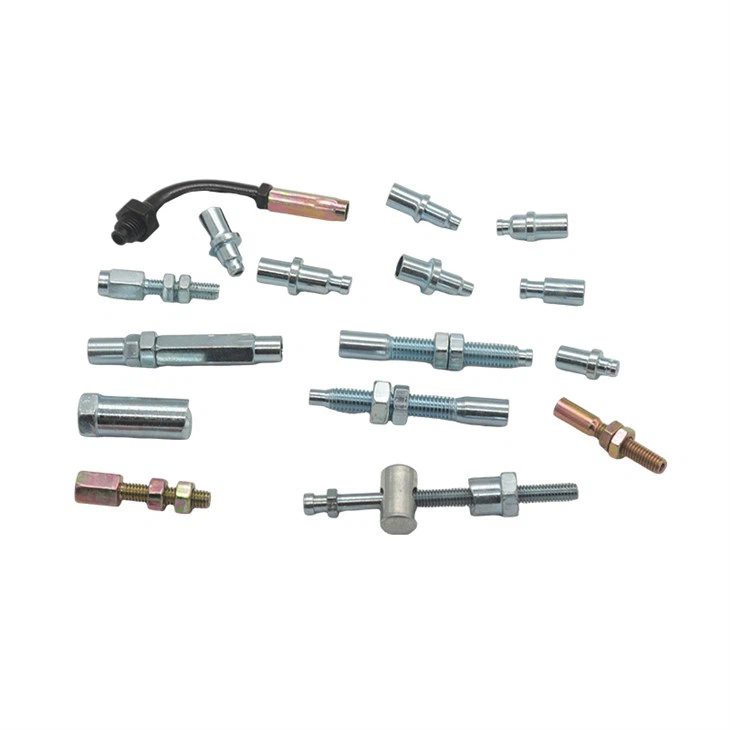
Zinc alloy joints are widely used in various industries, especially in the automotive industry. For example, they are used in Cable End Fitting, Bowden Cable, and Push Pull Cable. In these applications, preventing oxidation is crucial to ensure the proper functioning and longevity of the cables.
Conclusion
Preventing oxidation of zinc alloy joints is a multi - step process that involves surface treatment, proper storage and handling, packaging, and regular inspection and maintenance. By following these tips, you can significantly reduce the risk of oxidation and ensure that your zinc alloy joints remain in good condition for a long time.
If you're in the market for high - quality zinc alloy joints or need more information on preventing oxidation, I'd love to hear from you. Whether you're a small business or a large corporation, I can provide you with the right solutions for your needs. Let's start a conversation and see how we can work together to meet your requirements.

References
- Metals Handbook: Corrosion, ASM International
- "Corrosion Prevention and Control" by Pierre R. Roberge