

How to Replace a Speedometer Wire
As a trusted speedometer wire supplier, I've witnessed firsthand the importance of a properly functioning speedometer in every vehicle. A malfunctioning speedometer wire can lead to inaccurate speed readings, which not only affects your driving experience but also poses potential safety risks. In this blog post, I'll guide you through the process of replacing a speedometer wire, ensuring your vehicle's speedometer operates flawlessly.
Understanding the Speedometer Wire
Before we dive into the replacement process, let's take a moment to understand what a speedometer wire is and how it works. A speedometer wire, also known as a speedometer cable, is a flexible shaft that connects the transmission to the speedometer gauge on your dashboard. As the vehicle moves, the transmission rotates, causing the speedometer wire to spin. This spinning motion is then translated into a speed reading on the gauge, providing you with real-time information about your vehicle's speed.
Over time, the speedometer wire can wear out due to constant use, exposure to heat, and other environmental factors. When this happens, the wire may become loose, frayed, or broken, resulting in inaccurate speed readings or a complete failure of the speedometer. Replacing the speedometer wire is a relatively simple process that can be done with basic tools and a little bit of know-how.
Tools and Materials You'll Need
Before you begin the replacement process, gather the following tools and materials:
- New speedometer wire (you can find a high-quality Speedometer Cable on our website)
- Socket wrench set
- Pliers
- Screwdriver
- Lubricant (such as grease or oil)
- Safety glasses
- Gloves
Step-by-Step Guide to Replacing a Speedometer Wire
Now that you have all the necessary tools and materials, let's get started with the replacement process. Follow these steps carefully to ensure a successful replacement:
Step 1: Prepare Your Vehicle
- Park your vehicle on a level surface and engage the parking brake.
- Turn off the engine and remove the key from the ignition.
- Open the hood and locate the battery. Disconnect the negative terminal to prevent any electrical shock.
Step 2: Locate the Speedometer Wire
- The speedometer wire is typically located at the back of the speedometer gauge on your dashboard. You may need to remove the dashboard cover or trim to access the wire.
- Once you've located the wire, follow it down to the transmission. The wire is usually connected to the transmission with a small clip or socket.
Step 3: Remove the Old Speedometer Wire
- Use a socket wrench or pliers to loosen and remove the clip or socket that connects the wire to the transmission.
- Gently pull the wire out of the transmission and carefully guide it through the firewall or other openings in the vehicle.
- Once the wire is free from the transmission, locate the other end of the wire at the speedometer gauge. Use a screwdriver to remove any screws or clips that hold the wire in place.
- Pull the wire out of the speedometer gauge and set it aside.
Step 4: Install the New Speedometer Wire
- Take the new speedometer wire and lubricate the end that will be inserted into the transmission. This will make it easier to install and prevent any damage to the wire.
- Carefully guide the new wire through the same openings in the vehicle that the old wire passed through. Make sure the wire is not kinked or twisted.
- Insert the lubricated end of the wire into the transmission and secure it with the clip or socket.
- Connect the other end of the wire to the speedometer gauge and secure it with the screws or clips.
Step 5: Test the Speedometer
- Reconnect the negative terminal of the battery.
- Turn on the engine and check the speedometer gauge to make sure it is working properly.
- Take your vehicle for a test drive and observe the speedometer readings. If the readings are accurate, then the replacement was successful.
Tips and Tricks
- When installing the new speedometer wire, make sure it is properly aligned and not kinked or twisted. This can cause the wire to bind or break, resulting in inaccurate speed readings.
- Use a high-quality lubricant to ensure smooth operation of the speedometer wire. This will also help prevent wear and tear on the wire.
- If you're having trouble removing the old speedometer wire, you can try using a pair of pliers or a socket wrench to loosen the clip or socket.
- If you're unsure about any step of the replacement process, consult your vehicle's owner's manual or a professional mechanic.
Other Related Products
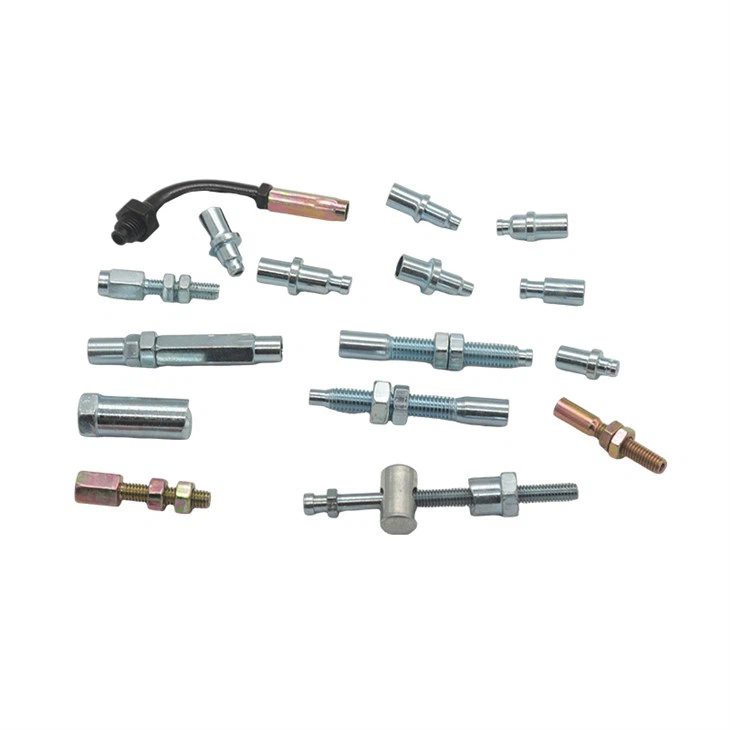
In addition to speedometer wires, we also offer a wide range of other auto cable accessories, including Bowden Cable and Cable End Fitting. These products are designed to provide reliable and durable performance, ensuring your vehicle's electrical and mechanical systems operate smoothly.
Contact Us for Procurement
If you're in need of a high-quality speedometer wire or any other auto cable accessories, we're here to help. As a leading supplier in the industry, we offer a wide range of products at competitive prices. Our team of experts is dedicated to providing exceptional customer service and ensuring your satisfaction.

Whether you're a professional mechanic or a DIY enthusiast, we have the products and expertise to meet your needs. Contact us today to discuss your procurement requirements and let us help you find the perfect solution for your vehicle.
References
- "Automotive Electrical Systems" by Robert N. Brady
- "How to Repair Your Car" by Haynes Manuals
- "Speedometer Cable Installation Guide" by AutoZone