

Hey there! As a supplier of parking brake cables, I've seen my fair share of installation blunders over the years. In this blog, I'm gonna spill the beans on the common installation mistakes for parking brake cables and how you can steer clear of them.
1. Incorrect Cable Routing
One of the most frequent mistakes is improper cable routing. The parking brake cable needs to follow a specific path to work effectively. If it's routed incorrectly, it can lead to a host of problems. For example, if the cable rubs against sharp edges or other components, it can wear out prematurely. This not only shortens the lifespan of the cable but can also cause it to snap unexpectedly, leaving you without a working parking brake.
When installing the cable, make sure to consult the vehicle's service manual. It'll show you the exact route the cable should take. Also, look out for any potential areas where the cable could get pinched or damaged. Use cable guides and clips to keep the cable in place and prevent it from moving around.
2. Inadequate Tension Adjustment
Getting the right tension on the parking brake cable is crucial. If the cable is too loose, the parking brake won't hold the vehicle securely. You might notice that the car still rolls a bit even when the parking brake is engaged. On the other hand, if the cable is too tight, it can put excessive stress on the brake components, leading to premature wear and tear.
To adjust the tension correctly, you'll need to use the adjustment mechanism provided on the cable or the parking brake assembly. Start by adjusting the cable so that there's a little bit of slack when the parking brake is released. Then, gradually tighten the cable until the parking brake engages properly and holds the vehicle firmly. It's a good idea to test the parking brake after each adjustment to make sure it's working as it should.
3. Using the Wrong Cable
Not all parking brake cables are created equal. Each vehicle has specific requirements for the length, diameter, and strength of the cable. Using the wrong cable can lead to serious problems. For instance, if the cable is too short, it might not be able to reach the brake components, and if it's too long, it can sag and get in the way of other parts.
When replacing a parking brake cable, make sure to use one that's specifically designed for your vehicle. You can check the vehicle's owner's manual or consult with a professional mechanic to find the right cable. At our company, we offer a wide range of parking brake cables to fit different makes and models of vehicles. We also provide detailed specifications and installation instructions to help you get the job done right.

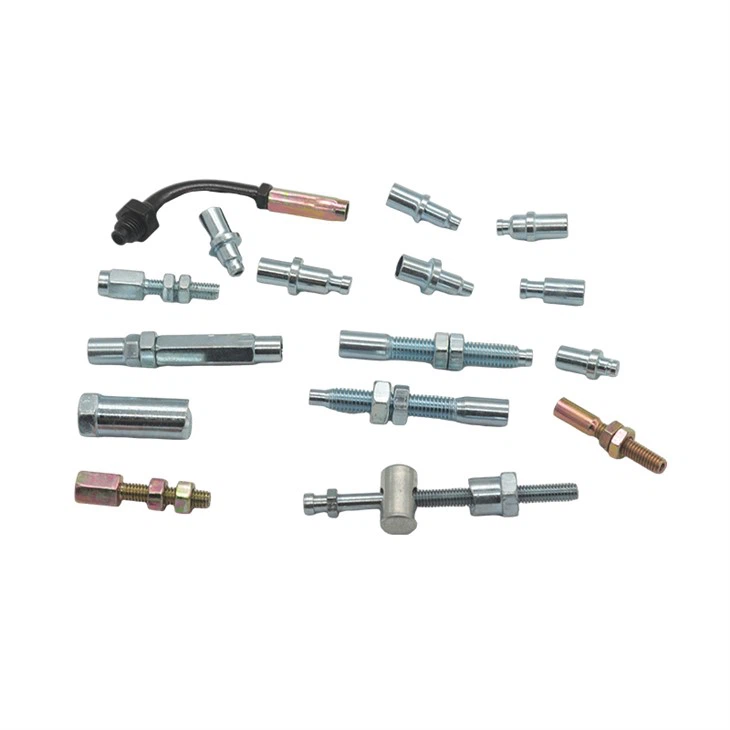
4. Poor Connection at the Cable Ends
The connection at the cable ends is another area where mistakes can happen. If the cable ends aren't properly attached to the brake components or the parking brake lever, it can cause the cable to come loose or break. This can be extremely dangerous, especially when you're parked on an incline.
To ensure a secure connection, make sure to use the right type of Cable End Fitting. There are different types of end fittings available, such as crimped, swaged, or threaded. Choose the one that's compatible with your cable and the brake components. Also, make sure to follow the installation instructions carefully when attaching the end fittings.
5. Ignoring Cable Protection
Parking brake cables are exposed to a lot of harsh conditions, such as dirt, water, and road salt. If they're not properly protected, they can rust and corrode over time, which can weaken the cable and make it more likely to break.
To protect the cable, you can use a cable sheath or a protective coating. A cable sheath provides a physical barrier between the cable and the environment, while a protective coating can help prevent rust and corrosion. We offer Zinc Alloy Die Casting Joints and other cable accessories that can help protect your parking brake cable and extend its lifespan.
6. Improper Installation of Bowden Cables
If your vehicle uses a Bowden Cable for the parking brake, there are some specific installation considerations. Bowden cables consist of an inner cable and an outer sheath. The inner cable needs to move smoothly inside the outer sheath for the parking brake to work properly.
When installing a Bowden cable, make sure to lubricate the inner cable to reduce friction. Also, make sure that the outer sheath is properly secured and doesn't kink or bend. If the outer sheath is damaged, it can affect the movement of the inner cable and cause the parking brake to malfunction.
7. Skipping the Final Check
Once you've installed the parking brake cable, it's important to do a final check to make sure everything is working correctly. This includes testing the parking brake to make sure it engages and releases smoothly, checking for any signs of rubbing or interference, and ensuring that all the connections are tight.
If you notice any problems during the final check, don't hesitate to make the necessary adjustments. It's better to catch and fix any issues early on than to have a parking brake failure later.
In conclusion, installing a parking brake cable might seem like a simple task, but there are many things that can go wrong. By avoiding these common installation mistakes, you can ensure that your parking brake works properly and keeps you and your vehicle safe.
If you're in the market for high-quality parking brake cables or need any help with installation, feel free to reach out to us. We're here to provide you with the best products and support to meet your needs. Let's get your parking brake in top-notch condition!
References
- Automotive Service Excellence (ASE) study materials
- Various vehicle service manuals