

When it comes to auto push pull cables, corrosion resistance is a crucial factor that can significantly impact their performance and lifespan. As a reliable auto push pull cable supplier, I understand the importance of offering corrosion - resistant options to meet the diverse needs of our customers. In this blog, I will explore various corrosion - resistant solutions for auto push pull cables.
Understanding Corrosion in Auto Push Pull Cables
Before delving into the corrosion - resistant options, it's essential to understand the causes of corrosion in auto push pull cables. Corrosion typically occurs when the cable's metal components come into contact with moisture, chemicals, or other corrosive agents. In automotive applications, factors such as road salt, humidity, and engine fluids can accelerate the corrosion process. When a cable corrodes, it can lead to reduced flexibility, increased friction, and even mechanical failure, which can compromise the safety and functionality of the vehicle.
Corrosion - Resistant Materials
Stainless Steel
Stainless steel is one of the most popular choices for corrosion - resistant auto push pull cables. It contains chromium, which forms a thin, passive oxide layer on the surface of the metal. This oxide layer acts as a barrier, preventing oxygen and moisture from reaching the underlying metal and thus inhibiting corrosion. Stainless steel cables are highly durable and can withstand harsh environmental conditions, making them suitable for both on - road and off - road vehicles. They are also resistant to many chemicals commonly found in automotive settings, such as brake fluid and coolant.

Galvanized Steel
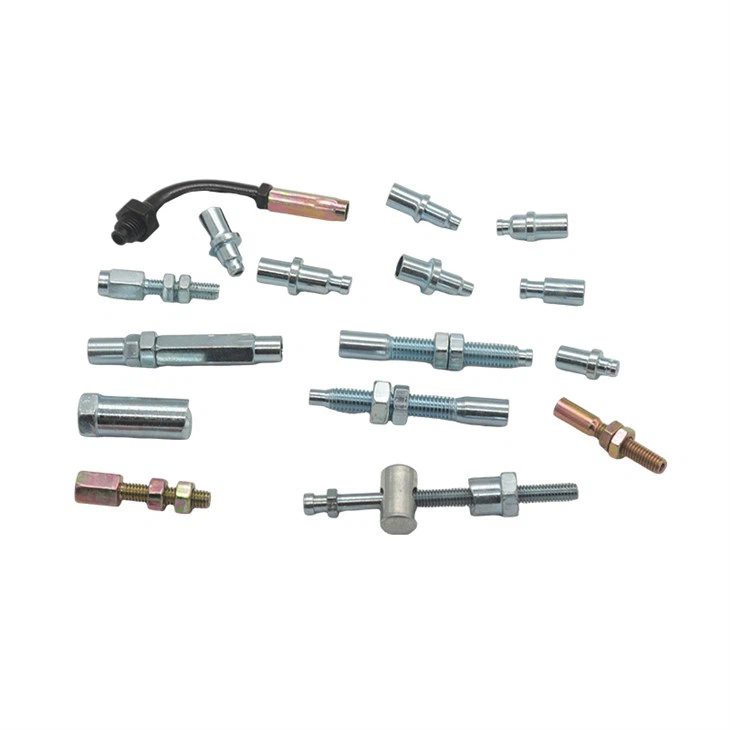
Galvanized steel is another option for corrosion - resistant cables. It is made by coating steel with a layer of zinc. The zinc coating provides sacrificial protection to the steel. When the zinc comes into contact with a corrosive environment, it corrodes first, protecting the underlying steel from damage. Galvanized steel cables are cost - effective and offer good corrosion resistance, especially in less severe environments. However, in highly corrosive conditions, such as areas with high salt concentrations, the zinc coating may eventually wear off, and the steel may start to corrode.
Aluminum
Aluminum is a lightweight and corrosion - resistant material. It forms a natural oxide layer on its surface, which is self - healing and provides protection against corrosion. Aluminum cables are often used in applications where weight reduction is a priority, such as in high - performance vehicles. However, aluminum has a lower strength compared to steel, so it may not be suitable for applications that require high tensile strength.
Coating and Plating Options
PVC Coating
PVC (Polyvinyl Chloride) coating is a common method to enhance the corrosion resistance of auto push pull cables. The PVC coating acts as a physical barrier, preventing moisture and corrosive agents from reaching the cable's core. It also provides additional protection against abrasion. PVC - coated cables are flexible and can be easily installed in various automotive applications. They are available in different colors, which can be useful for identification purposes.
Powder Coating
Powder coating is a process in which a dry powder is electrostatically applied to the cable and then cured under heat. The powder forms a hard, durable coating that provides excellent corrosion resistance. Powder - coated cables are resistant to chipping, scratching, and fading, making them suitable for long - term use in automotive applications. The coating can be customized in terms of color and finish to meet the specific requirements of the customer.
Teflon Coating
Teflon (Polytetrafluoroethylene) coating is known for its low friction and high chemical resistance. A Teflon - coated cable not only resists corrosion but also reduces the friction between the cable and its housing, improving the overall efficiency of the push - pull system. Teflon - coated cables are often used in applications where smooth operation is critical, such as in throttle control systems.
Cable Design and Sealing
Sealed Cables
Sealed cables are designed to prevent moisture and contaminants from entering the cable assembly. They typically have a tight - fitting outer sheath and sealed ends. By keeping the interior of the cable dry and clean, sealed cables can significantly reduce the risk of corrosion. Sealed cables are commonly used in applications where the cable is exposed to water or other liquids, such as in boats or in vehicles that are frequently driven in wet conditions.
Proper Cable Routing
Proper cable routing is also important for corrosion prevention. Cables should be routed away from areas where they are likely to come into contact with corrosive substances, such as near the exhaust system or areas where road salt accumulates. Additionally, cables should be installed in a way that allows for proper drainage, preventing water from pooling around the cable.
The Importance of Corrosion - Resistant Accessories
In addition to the cable itself, the accessories used with auto push pull cables also need to be corrosion - resistant. For example, Bowden Cable is a type of cable often used in automotive applications, and its components should be made of corrosion - resistant materials. Cable End Fitting is another important accessory that connects the cable to the vehicle's components. Using corrosion - resistant end fittings ensures a secure and long - lasting connection. Similarly, Speedometer Cable should be protected from corrosion to ensure accurate speed measurement.
Conclusion
Corrosion resistance is a vital consideration when choosing auto push pull cables. By selecting the right materials, coatings, and design features, we can ensure that the cables perform reliably over a long period. As an auto push pull cable supplier, I am committed to providing high - quality, corrosion - resistant cables and accessories to our customers. Whether you need cables for a standard passenger car, a heavy - duty truck, or a high - performance vehicle, we have the expertise and products to meet your requirements.
If you are interested in our corrosion - resistant auto push pull cables or have any questions about our products, please feel free to contact us for a procurement discussion. We look forward to working with you to find the best cable solutions for your automotive applications.
References
- ASM Handbook Volume 13A: Corrosion: Fundamentals, Testing, and Protection. ASM International.
- "Corrosion Resistance of Metals and Alloys" by George W. Godard.
- Automotive Wiring and Electrical Systems by Robert A. Halderman.