

Hey there! As a supplier of adjustable screw joints, I've seen my fair share of wear and tear on these nifty little components. Today, I'm gonna share with you the signs that your adjustable screw joint might be on its last legs.
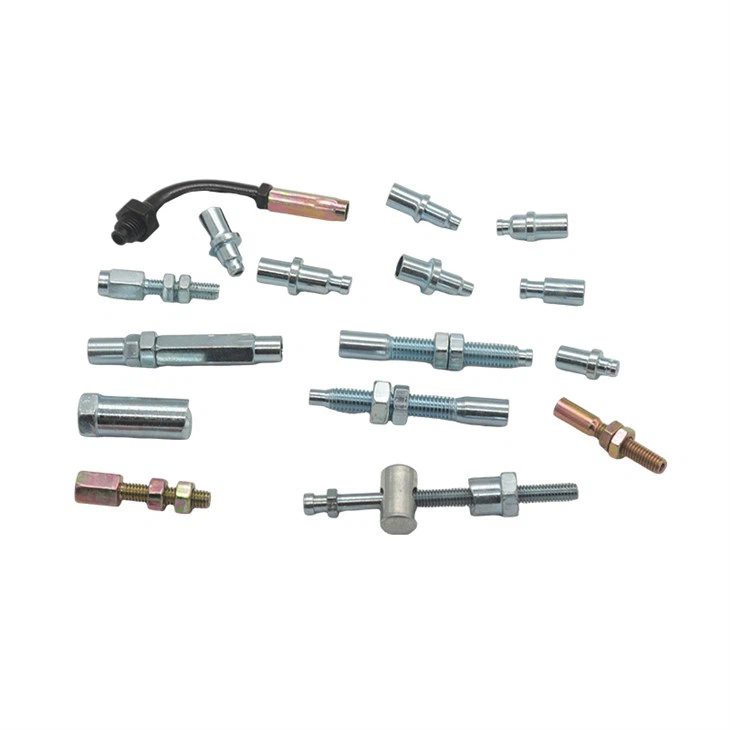

First off, let's talk about what an adjustable screw joint is. It's a mechanical device that allows for the adjustment of length or tension in a system. You'll find these in all sorts of applications, from automotive to industrial machinery. They're super handy, but like any part, they can wear out over time.
One of the most obvious signs of wear and tear is visible damage. If you see cracks, chips, or corrosion on the screw or the joint itself, that's a big red flag. Cracks can weaken the structure of the joint, making it more likely to fail under stress. Chips can also cause problems, as they can interfere with the smooth operation of the screw. And corrosion? Well, that's a sign that the metal is deteriorating, which can lead to a loss of strength and functionality.
Another sign to look out for is excessive play or looseness. When an adjustable screw joint starts to wear, it can become loose, causing it to move around more than it should. You might notice that the joint feels wobbly or that there's a lot of free movement when you try to adjust it. This can be a real pain, as it can make it difficult to get an accurate adjustment and can also lead to additional wear and tear on other parts of the system.
If you're having trouble getting the joint to adjust properly, that could also be a sign of wear. Maybe it's hard to turn the screw, or it seems to be getting stuck at certain points. This could be due to dirt, debris, or wear on the threads of the screw. Over time, the threads can become worn down, making it harder for the screw to move smoothly.
Noise is another telltale sign. If you hear squeaking, grinding, or rattling when you adjust the joint, that's not a good sign. Squeaking could be a sign of dryness or lack of lubrication, while grinding could indicate that there's something stuck in the joint or that the parts are rubbing against each other too much. Rattling could mean that there's loose hardware or that the joint is coming apart.
The performance of the system that the adjustable screw joint is a part of can also give you clues about its condition. For example, if you're using the joint in a machine and you notice a decrease in performance, such as reduced precision or slower operation, it could be because the joint is worn. The joint might not be able to maintain the correct tension or alignment, which can affect the overall performance of the machine.
Now, let's talk about some of the things that can cause wear and tear on adjustable screw joints. One of the main culprits is improper use. If the joint is overloaded or used in a way that it's not designed for, it can wear out much faster. For example, if you're using a small adjustable screw joint to support a heavy load, it's going to be under a lot of stress and will likely wear out quickly.
Environmental factors can also play a role. Exposure to harsh chemicals, extreme temperatures, or high humidity can all cause corrosion and damage to the joint. Dirt and debris can also get into the joint and cause wear on the moving parts.
Lack of maintenance is another big factor. If you don't clean and lubricate the joint regularly, it can become dirty and dry, which can lead to increased wear and tear. Regular maintenance can help extend the life of the joint and keep it working properly.
So, what can you do if you notice these signs of wear and tear? Well, the first thing is to assess the severity of the problem. If it's just a minor issue, like a little bit of play or a bit of noise, you might be able to fix it by cleaning and lubricating the joint. However, if the damage is more severe, like cracks or significant wear on the threads, you might need to replace the joint.
As a supplier of adjustable screw joints, I've got a wide range of products to suit different applications. Whether you need a Cable End Fitting, a Bowden Cable, or a Speedometer Cable, I've got you covered. My products are made from high-quality materials and are designed to last.
If you're experiencing any of the signs of wear and tear that I've mentioned, don't hesitate to reach out. I can help you find the right adjustable screw joint for your needs and provide you with advice on how to maintain it. Whether you're a small business owner or a large industrial manufacturer, I'm here to help you keep your systems running smoothly.
In conclusion, being aware of the signs of wear and tear on adjustable screw joints is crucial for maintaining the performance and reliability of your systems. By keeping an eye out for these signs and taking appropriate action, you can avoid costly breakdowns and ensure that your equipment operates at its best. If you've got any questions or need to place an order, just get in touch. I'm always happy to help!
References
- Machinery's Handbook, 31st Edition
- Automotive Engineering Handbook