

Hey there! As a supplier of die casting joints, I've been diving deep into the world of die casting, and one question that keeps popping up is: What is the effect of shot speed on die casting joints? Well, let's break it down and explore this topic together.

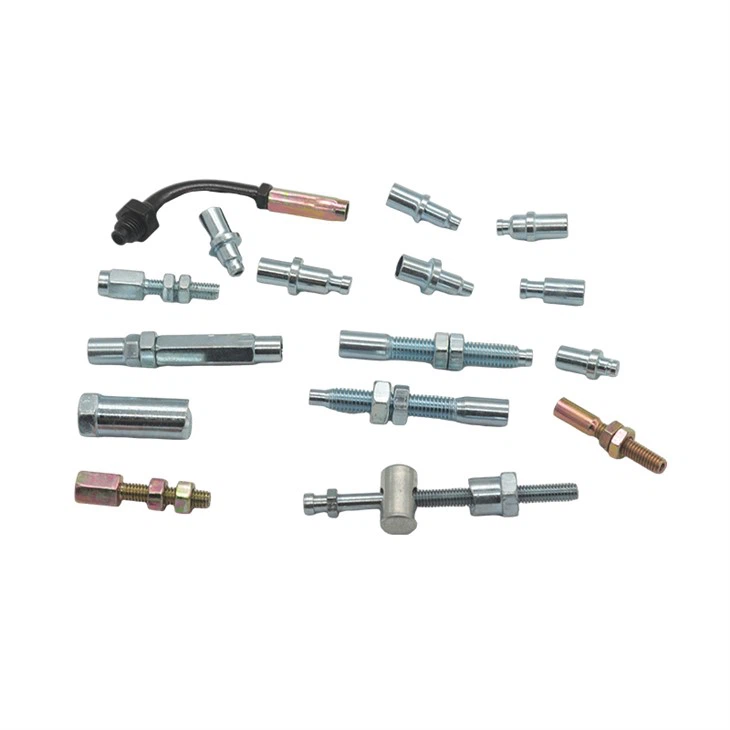
Understanding Shot Speed in Die Casting
First off, let's get on the same page about what shot speed is. In die casting, shot speed refers to how fast the molten metal is injected into the die cavity. It's a crucial parameter because it can have a huge impact on the quality and performance of the final die casting joints.
Think of it like shooting a basketball. If you shoot too slowly, the ball might not reach the hoop. But if you shoot too fast, you might overshoot. Similarly, in die casting, getting the right shot speed is all about finding that sweet spot.
The Positive Effects of Optimal Shot Speed
Filling the Cavity Completely
When the shot speed is just right, the molten metal can quickly and evenly fill the die cavity. This is super important for die casting joints because it ensures that all the nooks and crannies of the joint are filled, resulting in a complete and well - formed part. For example, in complex die casting joints used in automotive applications like Auto Brake Cable, proper filling is essential for the joint to function correctly.
Reducing Porosity
Porosity is a common problem in die casting. It refers to the presence of small holes or voids in the casting. An optimal shot speed helps reduce porosity by minimizing the amount of air trapped in the molten metal as it fills the cavity. When there's less air, the die casting joints are denser and stronger. This is especially crucial for applications where the joints need to withstand high stress, such as in industrial machinery.
Improving Surface Finish
A good shot speed also leads to a better surface finish on the die casting joints. The molten metal flows smoothly into the cavity, leaving behind a clean and smooth surface. This is great for parts that are visible or need to be assembled with other components. For instance, in consumer products where aesthetics matter, a smooth surface finish can enhance the overall look and feel of the product. And in some cases, like Cable End Fitting, a good surface finish can also improve the functionality of the joint.
The Negative Effects of Incorrect Shot Speed
Too Slow Shot Speed
If the shot speed is too slow, the molten metal may start to cool before it fully fills the die cavity. This can result in incomplete filling, where parts of the joint are missing or have thin sections. In addition, slow shot speed can increase the risk of porosity because the longer the metal takes to fill the cavity, the more time there is for air to get trapped. The surface finish may also be poor, with rough patches and uneven areas.
Too Fast Shot Speed
On the other hand, an overly fast shot speed can cause a whole different set of problems. It can create turbulence in the molten metal, which may lead to the entrapment of oxide films and other impurities. This can weaken the die casting joints and make them more prone to failure. Also, high shot speed can put excessive pressure on the die, potentially causing damage to the die itself. Over time, this can increase production costs due to die repairs and replacements.
Factors Affecting the Ideal Shot Speed
The ideal shot speed isn't a one - size - fits - all number. It depends on several factors:
Metal Type
Different metals have different viscosities and solidification rates. For example, aluminum has a lower viscosity than zinc, so it may require a different shot speed to fill the die cavity properly. Understanding the properties of the metal you're using is crucial for determining the right shot speed.
Die Design
The complexity of the die design also plays a role. A die with thin walls or intricate features may need a higher shot speed to ensure complete filling. On the other hand, a simple die may be filled adequately with a lower shot speed.
Part Size
Larger parts generally require a different shot speed compared to smaller ones. A bigger part may need a higher shot speed to fill the larger volume of the die cavity in a timely manner.
How We, as Die Casting Joint Suppliers, Manage Shot Speed
At our company, we take shot speed very seriously. We use advanced technology and equipment to precisely control the shot speed during the die casting process. Our team of experts analyzes each project carefully, taking into account the factors mentioned above to determine the optimal shot speed.
We also conduct regular quality checks on the die casting joints to ensure that the shot speed is producing the desired results. If we notice any issues like porosity or incomplete filling, we adjust the shot speed accordingly. This way, we can guarantee that the die casting joints we supply meet the highest quality standards.
Importance of Shot Speed in Different Applications
Automotive Industry
In the automotive industry, die casting joints are used in a wide range of components, from engine parts to suspension systems. The right shot speed is crucial for ensuring the reliability and safety of these components. For example, in Bowden Cable assemblies, well - formed die casting joints are essential for smooth operation and long - term durability.
Electronics Industry
In the electronics industry, die casting joints are used in casings and connectors. A proper shot speed is necessary to achieve a high - quality surface finish and ensure the electrical conductivity of the joints. This is important for the proper functioning of electronic devices.
Conclusion
In conclusion, shot speed has a profound effect on die casting joints. Getting the right shot speed is essential for producing high - quality, reliable, and durable die casting joints. Whether it's filling the cavity completely, reducing porosity, or improving the surface finish, the shot speed plays a key role in every aspect of the die casting process.
If you're in the market for high - quality die casting joints, we'd love to talk to you. We have the expertise and experience to ensure that the shot speed and other parameters are optimized for your specific needs. Don't hesitate to reach out and start a conversation about your procurement requirements. We're here to provide you with the best die casting joint solutions.
References
- Campbell, J. (2003). Castings. Butterworth - Heinemann.
- Flemings, M. C. (1974). Solidification Processing. McGraw - Hill.
- Tharmalingam, S. (2011). Die Casting: A Practical Guide. Elsevier.