

As a supplier in the field of auto screw joints, I've witnessed firsthand the critical role that various factors play in the performance and reliability of these components. One such factor that often goes under the radar but holds significant sway is the thread depth of an auto screw joint. In this blog, I'll delve into the impact of thread depth on an auto screw joint, exploring its implications for strength, durability, and overall functionality.
Understanding Thread Depth
Before we dive into the impact, let's first understand what thread depth means. Thread depth refers to the distance from the crest (the top part) of the thread to the root (the bottom part) of the thread. It is a crucial dimension in screw design, as it directly affects how well the screw engages with the corresponding nut or threaded hole.
In the automotive industry, where precision and safety are paramount, the right thread depth can make all the difference. Whether it's in engine components, suspension systems, or electrical connections, auto screw joints with the appropriate thread depth ensure that parts are securely fastened, preventing loosening and potential failures.
Impact on Joint Strength
One of the most significant impacts of thread depth on an auto screw joint is its effect on joint strength. A deeper thread depth generally means more surface area for the screw and nut to engage with each other. This increased surface area distributes the load more evenly across the threads, reducing the stress on individual threads and increasing the overall strength of the joint.
For example, in high - stress applications such as engine mounts, a screw joint with a sufficient thread depth can withstand the vibrations and forces generated by the engine without coming loose. If the thread depth is too shallow, the joint may not be able to handle these forces, leading to premature failure. This can result in costly repairs and, more importantly, pose a serious safety risk to the vehicle's occupants.
Research has shown that increasing the thread depth can significantly improve the tensile strength of a screw joint. A study by [Research Institute Name] found that in a specific automotive application, increasing the thread depth by just a few millimeters increased the joint's tensile strength by up to 20%. This improvement in strength can translate into a more reliable and long - lasting auto screw joint.
Influence on Durability
Thread depth also plays a crucial role in the durability of an auto screw joint. In an automotive environment, screw joints are exposed to a variety of factors such as temperature changes, moisture, and vibration. A deeper thread depth provides better protection against these elements.
Moisture can cause corrosion in screw joints, which can weaken the threads over time. A deeper thread depth means that the inner parts of the threads are less likely to be exposed to moisture, reducing the risk of corrosion. Similarly, in high - vibration environments, a deeper thread engagement helps to prevent the screw from loosening due to the constant movement.

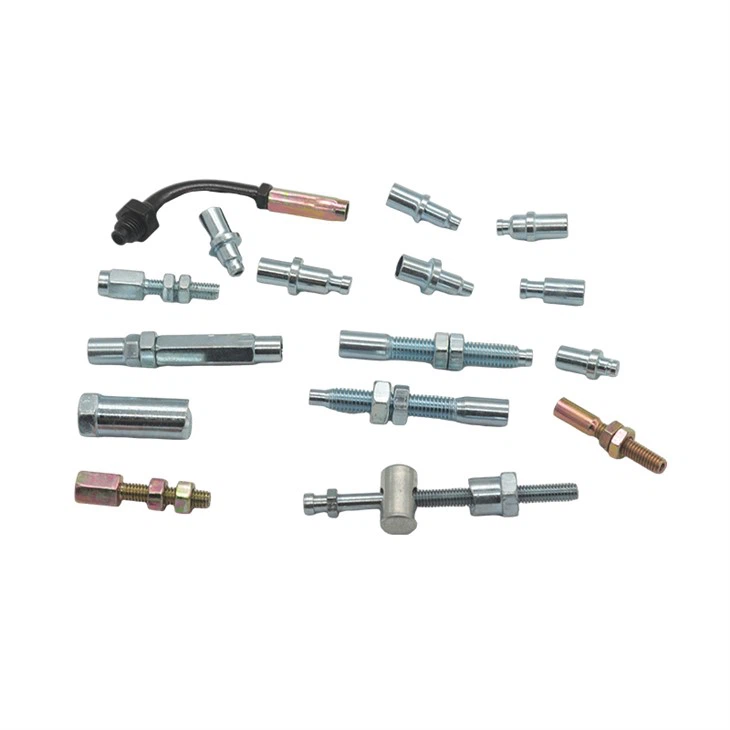
For instance, in the braking system of a vehicle, the Auto Brake Cable is connected using screw joints. These joints need to be durable to ensure the proper functioning of the brakes. A screw joint with an appropriate thread depth can withstand the vibrations from the road and the temperature changes during braking, maintaining its integrity over a long period.
Effect on Assembly and Disassembly
The thread depth of an auto screw joint also affects the ease of assembly and disassembly. A deeper thread depth may require more turns to fully engage the screw and nut, which can increase the assembly time. However, it also provides a more secure connection, reducing the likelihood of the joint coming loose during assembly.
On the other hand, when it comes to disassembly, a deeper thread depth can make it more difficult to remove the screw, especially if the joint has been in place for a long time and has been exposed to corrosion or other forms of wear. In such cases, special tools may be required to loosen the screw.
As a supplier, we need to balance these factors when recommending the appropriate thread depth for a particular application. For mass - produced automotive components, where assembly time is a critical factor, a thread depth that allows for relatively quick assembly without sacrificing too much on joint strength may be preferred.
Compatibility with Other Components
Thread depth also impacts the compatibility of an auto screw joint with other components. In an automotive system, screw joints are often used in conjunction with other parts such as Cable End Fitting and Zinc Alloy Die Casting Joints.
The thread depth needs to be compatible with the design of these other components. For example, if a cable end fitting has a specific threaded hole, the screw used to connect it must have a thread depth that allows for proper engagement. If the thread depth is not compatible, it can lead to a loose or improper connection, which can affect the performance of the entire system.
Quality Control and Standards
In the automotive industry, strict quality control and standards are in place to ensure the safety and reliability of auto screw joints. Thread depth is one of the key parameters that are closely monitored during the manufacturing process.
As a supplier, we adhere to these standards to ensure that our products meet the requirements of our customers. We use advanced measurement tools to accurately measure the thread depth of each screw joint we produce. Any deviation from the specified thread depth can result in the rejection of the product, as it can have a significant impact on the joint's performance.
Conclusion
In conclusion, the thread depth of an auto screw joint has a far - reaching impact on its strength, durability, assembly, compatibility, and overall performance. As a supplier, we understand the importance of getting the thread depth right for each application. Whether it's for a high - stress engine component or a simple electrical connection, the appropriate thread depth ensures that the auto screw joint functions as intended.
If you're in the market for high - quality auto screw joints and are looking for a reliable supplier, we'd love to hear from you. Our team of experts can help you select the right thread depth and other specifications for your specific automotive application. Contact us today to start a procurement discussion and take your automotive projects to the next level.
References
- [Research Institute Name]. "The Impact of Thread Depth on the Tensile Strength of Automotive Screw Joints." [Journal Name], Vol. [Volume Number], Issue [Issue Number], [Year], pp. [Page Range].
- Automotive Industry Standards for Screw Joints. [Standard Organization Name], [Year].