

As a dedicated supplier of Speedometer Cables, I've witnessed firsthand the intricate dance between these mechanical components and the modern marvels of speed sensors. In the automotive world, understanding the relationship between a speedometer cable and the speed sensor is crucial for both enthusiasts and professionals alike. This blog aims to delve into this relationship, exploring how these two elements work together to provide accurate speed readings and why they remain integral parts of vehicle systems.
The Basics of a Speedometer Cable
Let's start by understanding what a speedometer cable is. A Speedometer Cable is a flexible shaft that transmits mechanical power from the transmission to the speedometer gauge on the dashboard. Historically, it was the primary means of conveying speed information in vehicles. The cable is typically made up of a core wire wound in a helix, surrounded by a protective outer sheath. This design allows it to bend and flex as it travels through the vehicle's chassis while still maintaining its ability to transfer rotational motion effectively.
The operation of a speedometer cable is relatively straightforward. At the transmission end, a gear on the output shaft meshes with a drive gear attached to the cable. As the vehicle moves and the transmission output shaft rotates, the drive gear turns, causing the cable to spin. This rotational motion is then transferred along the length of the cable to the speedometer mechanism. Inside the speedometer, the spinning cable drives a magnet, which creates a magnetic field that interacts with a metal cup attached to the speedometer needle. The interaction between the magnetic field and the cup causes the needle to rotate, indicating the vehicle's speed on the gauge.
The Role of the Speed Sensor
In contrast to the mechanical nature of the speedometer cable, the speed sensor is an electronic device. Modern vehicles often use speed sensors to provide more accurate and reliable speed information. There are several types of speed sensors, including magnetic and Hall effect sensors. These sensors are typically located on the transmission or wheel hubs and work by detecting the rotational speed of a toothed wheel or gear.
Magnetic speed sensors operate based on the principle of electromagnetic induction. As the toothed wheel rotates, it passes by the sensor, causing changes in the magnetic field. These changes generate an alternating current (AC) signal, the frequency of which is proportional to the rotational speed of the wheel. The vehicle's engine control unit (ECU) or the instrument cluster then processes this signal to determine the vehicle's speed.
Hall effect sensors, on the other hand, use the Hall effect to measure the magnetic field changes. When a magnetic field is applied perpendicular to the flow of current in a semiconductor material, a voltage difference is created across the material. As the toothed wheel rotates, the magnetic field changes, causing fluctuations in the Hall voltage. These voltage changes are then converted into a digital signal that can be used to calculate the vehicle's speed.

The Relationship between the Speedometer Cable and the Speed Sensor
In older vehicles, the speedometer cable was the sole means of providing speed information to the gauge. However, as technology advanced, speed sensors were introduced to improve accuracy and reliability. In many modern vehicles, both the speedometer cable and the speed sensor coexist, each serving a different purpose.
The speed sensor provides the primary speed data for the vehicle's ECU and other electronic systems. This data is used for a variety of functions, such as engine management, transmission control, and anti-lock braking system (ABS) operation. The ECU relies on the accurate speed information from the sensor to make real-time adjustments to the engine and transmission settings, ensuring optimal performance and fuel efficiency.
The speedometer cable, on the other hand, is still used to drive the mechanical speedometer gauge on the dashboard. While the speed sensor provides the electronic speed data, the cable ensures that the driver has a visual indication of the vehicle's speed in a traditional, mechanical format. This redundancy can be beneficial in case of a sensor failure, as the speedometer cable can still provide a basic speed reading.
Advantages and Disadvantages of Each
Both the speedometer cable and the speed sensor have their own advantages and disadvantages. The speedometer cable offers a simple and reliable mechanical solution. It is relatively inexpensive to manufacture and repair, and it does not require an external power source to operate. Additionally, the mechanical nature of the cable provides a direct and tangible connection between the vehicle's motion and the speedometer needle, which some drivers prefer.
However, the speedometer cable also has its limitations. Over time, the cable can wear out, become frayed, or break, leading to inaccurate speed readings or a complete failure of the speedometer. The flexibility of the cable can also introduce some mechanical losses, which may result in slightly inaccurate speed indications. Moreover, the cable's performance can be affected by factors such as temperature, humidity, and vibration, which can further reduce its accuracy.
The speed sensor, on the other hand, offers high accuracy and reliability. Electronic sensors are less prone to wear and tear compared to mechanical components, and they can provide real-time speed data with minimal delay. The digital nature of the sensor's output also makes it easier to integrate with other electronic systems in the vehicle.
However, speed sensors are more complex and expensive to manufacture and repair. They require a power source to operate and are sensitive to electrical interference and environmental factors. In addition, a malfunctioning speed sensor can cause a variety of issues in the vehicle, including incorrect speed readings, transmission shifting problems, and ABS malfunctions.
The Impact of Technology on the Relationship
As automotive technology continues to evolve, the relationship between the speedometer cable and the speed sensor is also changing. In recent years, there has been a trend towards replacing mechanical speedometer cables with electronic systems entirely. Many new vehicles now feature digital speedometers that rely solely on speed sensors for speed information.
This shift towards electronic systems offers several benefits. Digital speedometers can provide more accurate and precise speed readings, and they can also display additional information, such as average speed, trip distance, and fuel consumption. Additionally, electronic systems are more flexible and can be easily integrated with other vehicle features, such as navigation systems and heads-up displays.
However, despite the growing popularity of electronic speedometers, there is still a demand for speedometer cables. Some classic car enthusiasts prefer to maintain the original mechanical speedometer system in their vehicles for aesthetic and historical reasons. Additionally, in certain applications, such as off-road vehicles and racing cars, the simplicity and reliability of the speedometer cable can be advantageous.
Our Products as a Speedometer Cable Supplier
As a Speedometer Cable supplier, we understand the importance of providing high-quality products that meet the needs of our customers. Our speedometer cables are manufactured using the latest technology and the highest quality materials to ensure durability and reliability.
We offer a wide range of speedometer cables to fit various makes and models of vehicles. Whether you are restoring a classic car or need a replacement cable for your modern vehicle, we have the right product for you. Our cables are designed to be easy to install and are backed by our commitment to customer satisfaction.
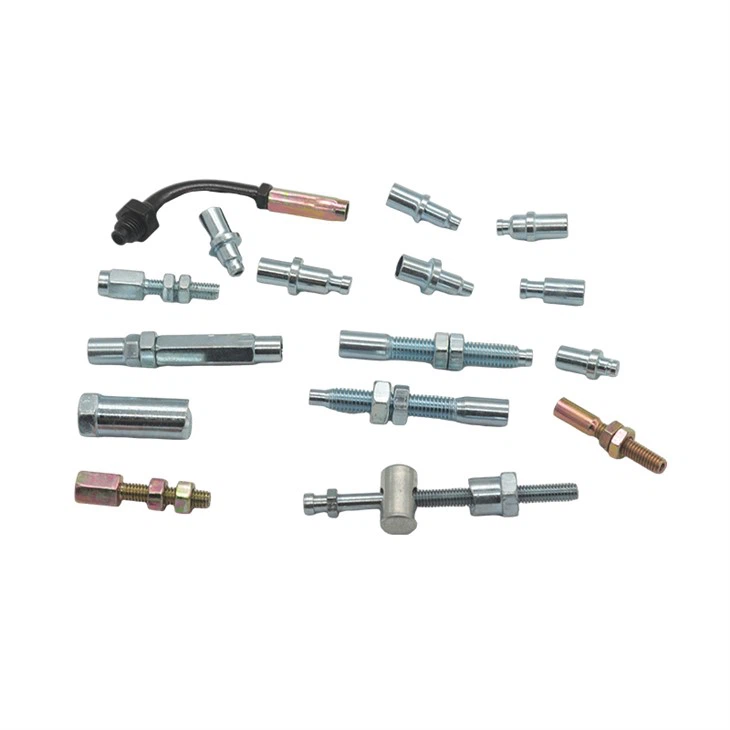
In addition to speedometer cables, we also supply other auto cable accessories, such as Cable End Fitting and Push Pull Cable. These accessories are essential for ensuring the proper installation and operation of the speedometer cable and other cables in the vehicle.
Conclusion
The relationship between the speedometer cable and the speed sensor is a testament to the evolution of automotive technology. While the mechanical speedometer cable has been a staple in vehicles for many years, the introduction of electronic speed sensors has revolutionized the way speed information is collected and used. In modern vehicles, both the speedometer cable and the speed sensor coexist, each playing a unique role in providing accurate speed data.
As a Speedometer Cable supplier, we are committed to providing our customers with the best products and services. Whether you are a classic car enthusiast or a modern vehicle owner, we have the expertise and the products to meet your needs. If you are interested in our speedometer cables or other auto cable accessories, please feel free to contact us to discuss your requirements and explore potential purchasing opportunities.
References
- Automotive Technology: A Systems Approach, 5th Edition, by James D. Halderman
- Modern Automotive Technology, 10th Edition, by Thomas D. Gillespie
- Bosch Automotive Handbook, 7th Edition, edited by Gerhard Wurm