

Hey there! As a supplier of adjustable screw joints, I often get asked about the safety factor of these nifty little components. So, I thought I'd take a moment to break it down for you and explain what it means, why it matters, and how it affects your applications.
What is a Safety Factor?
Let's start with the basics. The safety factor is a ratio that compares the maximum load a component can handle to the actual load it's expected to encounter in normal use. In the case of an adjustable screw joint, this means looking at how much force the joint can withstand before it fails, and comparing that to the forces it will typically face during its operation.
For example, if an adjustable screw joint has a safety factor of 2, it means that the joint can handle twice the load it's designed for under normal conditions. This extra capacity provides a buffer against unexpected forces, such as sudden shocks, vibrations, or changes in operating conditions.
Why is the Safety Factor Important?
The safety factor is crucial for several reasons. First and foremost, it ensures the reliability and durability of your adjustable screw joints. By having a sufficient safety factor, you can be confident that the joints will perform as expected, even under challenging circumstances. This reduces the risk of premature failure, which can lead to costly downtime, repairs, and even safety hazards.
Secondly, the safety factor is often a regulatory requirement in many industries. For instance, in the automotive and aerospace sectors, strict safety standards mandate the use of components with appropriate safety factors to ensure the safety of passengers and crew. By providing adjustable screw joints with the right safety factor, you can meet these regulatory requirements and avoid potential legal issues.
Finally, a higher safety factor can also enhance the reputation of your products and your business. Customers are more likely to trust and choose a supplier who provides components with a proven track record of reliability and safety. By emphasizing the safety factor of your adjustable screw joints, you can differentiate yourself from competitors and attract more customers.
Factors Affecting the Safety Factor of Adjustable Screw Joints
Several factors can influence the safety factor of adjustable screw joints. Let's take a closer look at some of the most important ones:
- Material Properties: The type of material used to manufacture the adjustable screw joint plays a significant role in determining its strength and durability. Different materials have different mechanical properties, such as tensile strength, yield strength, and hardness. Choosing a high-quality material with the appropriate properties can increase the safety factor of the joint.
- Design and Geometry: The design and geometry of the adjustable screw joint also affect its safety factor. Factors such as the thread pitch, diameter, and length of the screw, as well as the shape and size of the nut and washer, can all impact the joint's ability to withstand loads. A well-designed joint with optimized geometry can distribute the load more evenly and reduce the stress concentration, thereby increasing the safety factor.
- Manufacturing Processes: The manufacturing processes used to produce the adjustable screw joint can also have an impact on its quality and safety factor. Precision machining, heat treatment, and surface finishing are all critical steps in ensuring the joint's strength and durability. Using advanced manufacturing techniques and strict quality control measures can help to minimize defects and variations, resulting in a higher safety factor.
- Operating Conditions: The operating conditions under which the adjustable screw joint will be used are another important consideration. Factors such as temperature, humidity, vibration, and corrosion can all affect the joint's performance and safety factor. For example, in high-temperature environments, the material properties of the joint may change, reducing its strength and increasing the risk of failure. It's important to choose an adjustable screw joint that is suitable for the specific operating conditions to ensure a sufficient safety factor.
Calculating the Safety Factor
Calculating the safety factor of an adjustable screw joint involves a complex process that takes into account the various factors mentioned above. It typically requires a detailed analysis of the joint's design, material properties, and operating conditions. In most cases, this analysis is performed by engineers using specialized software and mathematical models.
However, as a general rule of thumb, the safety factor of an adjustable screw joint should be at least 1.5 to 2. This means that the joint should be able to handle 1.5 to 2 times the maximum load it's expected to encounter in normal use. Of course, the specific safety factor required will depend on the application and the industry standards.
Applications of Adjustable Screw Joints
Adjustable screw joints are used in a wide range of applications across various industries. Some of the most common applications include:

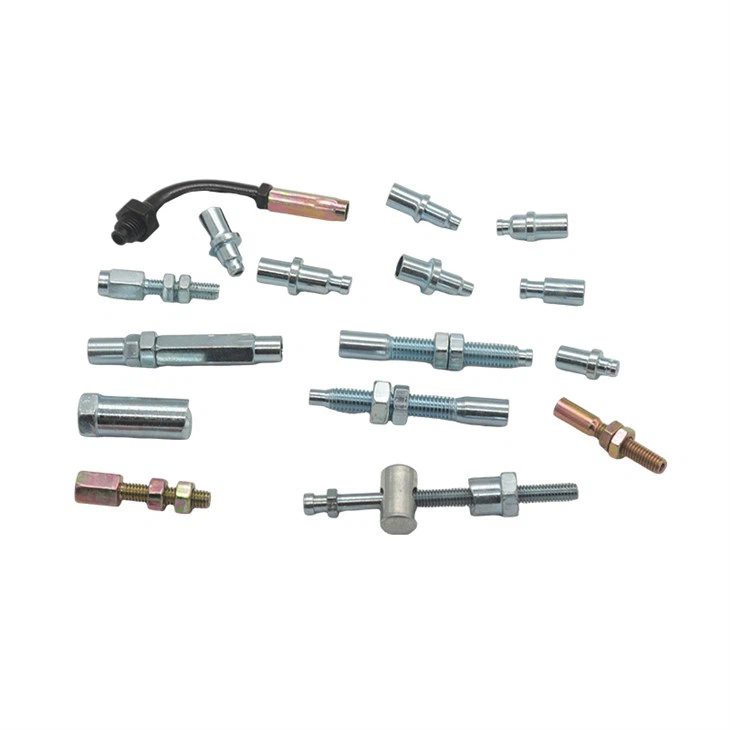
- Automotive: Adjustable screw joints are used in automotive applications, such as Push Pull Cable, Speedometer Cable, and Cable End Fitting. They are used to connect different components, adjust the tension, and ensure the proper alignment of the cables.
- Aerospace: In the aerospace industry, adjustable screw joints are used in critical applications, such as aircraft control systems and landing gear. They need to withstand high loads, vibrations, and extreme temperatures, making the safety factor a top priority.
- Industrial Machinery: Adjustable screw joints are also widely used in industrial machinery, such as conveyor systems, robotics, and manufacturing equipment. They are used to adjust the position, tension, and alignment of various components, ensuring the smooth operation of the machinery.
- Medical Devices: In the medical field, adjustable screw joints are used in devices such as surgical instruments and prosthetics. They need to be precise, reliable, and safe, making the safety factor an important consideration.
Choosing the Right Adjustable Screw Joint
When choosing an adjustable screw joint, it's important to consider the safety factor along with other factors, such as the application requirements, material properties, and manufacturing quality. Here are some tips to help you make the right choice:
- Understand Your Application: Before selecting an adjustable screw joint, it's essential to understand the specific requirements of your application. Consider factors such as the load capacity, operating conditions, and environmental factors. This will help you determine the appropriate safety factor and other specifications.
- Choose a Reputable Supplier: Look for a supplier with a good reputation for providing high-quality adjustable screw joints. Check their track record, customer reviews, and certifications. A reliable supplier will be able to provide you with the right product and support you throughout the purchasing process.
- Consider the Material and Design: Pay attention to the material and design of the adjustable screw joint. Choose a material that is suitable for your application and has the appropriate mechanical properties. Look for a design that is optimized for strength, durability, and ease of use.
- Verify the Safety Factor: Ask the supplier to provide you with the safety factor of the adjustable screw joint. Make sure it meets your application requirements and industry standards. If necessary, you can also request independent testing or certification to verify the safety factor.
Conclusion
In conclusion, the safety factor of an adjustable screw joint is a critical factor that ensures its reliability, durability, and safety. By understanding what the safety factor is, why it matters, and how it's calculated, you can make informed decisions when choosing adjustable screw joints for your applications.
As a supplier of adjustable screw joints, we are committed to providing high-quality products with the right safety factor to meet your specific needs. If you have any questions or need assistance in selecting the right adjustable screw joint, please don't hesitate to contact us. We'd be happy to help you find the perfect solution for your application.
Let's work together to ensure the safety and success of your projects!
References
- Budynas, R. G., & Nisbett, J. K. (2011). Shigley's Mechanical Engineering Design. McGraw-Hill.
- Dowling, N. E. (2012). Mechanical Behavior of Materials: Engineering Methods for Deformation, Fracture, and Fatigue. Pearson.
- Khurmi, R. S., & Gupta, J. K. (2005). A Textbook of Machine Design. S. Chand & Company.