

As an auto brake cable supplier, I often get questions from customers about the maintenance and cleaning of auto brake cables, especially the housing. A clean and well - maintained brake cable housing is crucial for the proper functioning of the vehicle's braking system. In this blog, I'll share the steps and techniques I've learned over the years on how to clean the housing of an auto brake cable.
Understanding the Importance of a Clean Brake Cable Housing
The brake cable housing plays a vital role in protecting the inner cable from dust, dirt, moisture, and other contaminants. A dirty or damaged housing can cause the inner cable to wear out faster, reduce the efficiency of the braking system, and even lead to safety hazards. Regular cleaning of the brake cable housing can extend its lifespan, improve the performance of the braking system, and ensure the safety of the vehicle and its passengers.
Tools and Materials Needed
Before you start cleaning the housing of an auto brake cable, you'll need to gather the following tools and materials:
- Soft - bristle brush: This will be used to remove loose dirt and debris from the housing.
- Cleaning solution: You can use a mild soap and water solution or a specialized automotive cable cleaner. Avoid using harsh chemicals that could damage the housing.
- Lint - free cloths: These are essential for drying the housing after cleaning and for applying any lubricants.
- Lubricant: A high - quality cable lubricant will help the inner cable move smoothly within the housing.
Step - by - Step Cleaning Process
Step 1: Preparation
First, ensure that the vehicle is parked on a flat surface and the parking brake is engaged. If possible, disconnect the battery to prevent any accidental activation of the braking system during the cleaning process. This step is crucial for your safety.
Step 2: Inspect the Housing
Before cleaning, carefully inspect the brake cable housing for any signs of damage, such as cracks, cuts, or excessive wear. If you notice any serious damage, it's best to replace the housing rather than attempting to clean it.
Step 3: Remove Loose Dirt and Debris
Use a soft - bristle brush to gently remove any loose dirt, dust, or debris from the surface of the brake cable housing. Start from one end of the housing and work your way to the other, being careful not to damage the housing or the inner cable. Pay special attention to areas where dirt tends to accumulate, such as bends and connections.
Step 4: Apply the Cleaning Solution
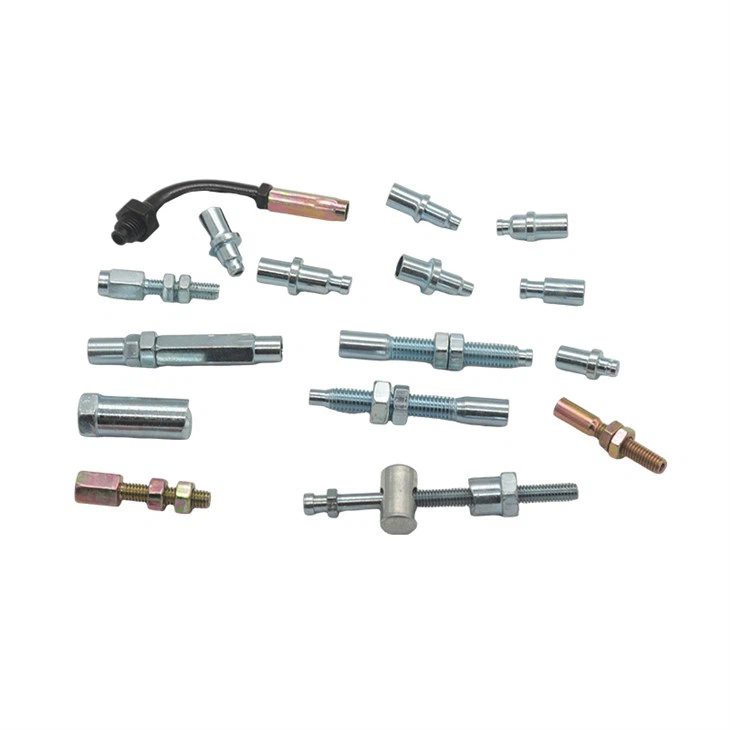
Dip a lint - free cloth into the cleaning solution and wring it out so that it's damp but not dripping. Gently wipe the entire length of the brake cable housing with the damp cloth. Make sure to cover all surfaces, including the areas around the End Fitting and Cable End Fitting. For stubborn dirt or grease, you can use the soft - bristle brush to gently scrub the affected areas.
Step 5: Rinse the Housing (Optional)
If you're using a soap and water solution, you may want to rinse the housing with clean water to remove any remaining soap residue. Use a spray bottle filled with clean water to lightly spray the housing, then wipe it dry with a clean lint - free cloth.
Step 6: Dry the Housing
After cleaning, thoroughly dry the brake cable housing with a lint - free cloth. Moisture left on the housing can cause corrosion and damage over time. Make sure to dry all areas, especially the inside of the housing at the ends.
Step 7: Lubricate the Housing
Once the housing is completely dry, apply a small amount of high - quality cable lubricant to the inside of the housing at the ends. The lubricant will help the inner cable move smoothly within the housing, reducing friction and wear. Use a lint - free cloth or a special cable lubrication tool to apply the lubricant evenly.

Additional Tips
- Regular Maintenance: Make cleaning the brake cable housing a part of your regular vehicle maintenance routine. Depending on your driving conditions, you may want to clean the housing every few months or at least once a year.
- Check Connections: While cleaning the housing, also check the connections between the cable, the housing, and the Push Pull Cable. Make sure they are tight and free of damage.
- Professional Inspection: If you're unsure about the condition of the brake cable housing or if you encounter any problems during the cleaning process, it's always a good idea to have a professional mechanic inspect the braking system.
Conclusion
Cleaning the housing of an auto brake cable is a relatively simple but important task that can significantly improve the performance and lifespan of your vehicle's braking system. By following the steps outlined in this blog, you can ensure that your brake cable housing remains clean and in good condition.
As an auto brake cable supplier, we offer a wide range of high - quality auto brake cables and accessories to meet your needs. Whether you're a professional mechanic or a DIY enthusiast, our products are designed to provide reliable and long - lasting performance.
If you're interested in purchasing auto brake cables or have any questions about our products, please feel free to contact us. We're always happy to help with your procurement needs and look forward to discussing how our products can meet your specific requirements.
References
- Automotive Braking System Handbook.
- Best Practices for Auto Cable Maintenance.