

As a trusted supplier of Auto Brake Cables, I've had the privilege of witnessing firsthand the critical role that brake cable housings play in the overall performance and safety of vehicles. A good quality auto brake cable housing is not just a simple component; it's a key element that ensures the efficient and reliable operation of the braking system. In this blog, I'll share some of the essential characteristics that define a high - quality auto brake cable housing.
Durability
One of the most important characteristics of a good quality auto brake cable housing is durability. The housing is constantly exposed to a variety of harsh conditions, including extreme temperatures, moisture, dirt, and road debris. It must be able to withstand these elements without deteriorating over time.
A durable housing is typically made from high - grade materials. For example, some housings are constructed from stainless steel, which offers excellent corrosion resistance. Stainless steel can resist rust and oxidation, even when exposed to saltwater, which is common in coastal areas or on roads treated with de - icing salts during winter. Other materials like high - strength polymers are also used. These polymers can be engineered to have high abrasion resistance, ensuring that the housing doesn't wear out easily when the brake cable moves inside it.
In addition to material selection, the manufacturing process also contributes to durability. A well - made housing will have a uniform wall thickness, which helps to distribute stress evenly. This reduces the risk of weak points developing in the housing, which could lead to premature failure.
Flexibility
Flexibility is another crucial characteristic. The brake cable housing needs to be flexible enough to follow the complex routing paths within the vehicle's braking system. These paths can include sharp bends and twists, especially in modern vehicles where space is often limited.
A flexible housing allows the brake cable to move smoothly through the system, without getting kinked or binding. This is essential for the proper operation of the brakes. If the housing is too rigid, it can impede the movement of the cable, resulting in reduced braking performance or even complete brake failure.
When choosing a material for the housing, manufacturers need to strike a balance between flexibility and durability. Some materials that are very flexible may not be as durable, while extremely durable materials may lack the necessary flexibility. Advanced manufacturing techniques can help to optimize this balance. For example, some housings are designed with a multi - layer structure, where an outer layer provides durability while an inner layer offers flexibility.
Low Friction
Low friction is vital for the efficient operation of the brake cable. When the brake cable moves inside the housing, any friction between the cable and the housing can cause energy loss. This means that more force is required to apply the brakes, which can lead to increased wear on the brake components and reduced fuel efficiency.
A high - quality brake cable housing will have a smooth inner surface to minimize friction. Special coatings can be applied to the inner surface of the housing to further reduce friction. For example, Teflon coatings are commonly used because they have a very low coefficient of friction. This allows the brake cable to slide through the housing with minimal resistance, ensuring that the braking force is transmitted effectively from the brake pedal to the brakes.
Proper Sealing
Proper sealing is essential to protect the brake cable from contaminants. Dirt, water, and other debris can enter the housing and cause damage to the cable. This can lead to corrosion, increased friction, and ultimately, brake failure.
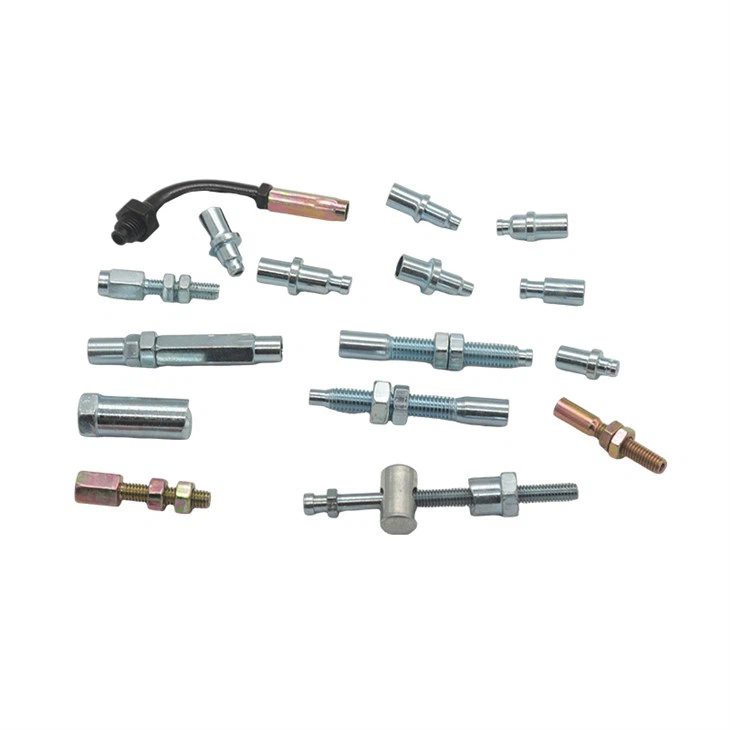

A good quality housing will have effective seals at both ends. These seals prevent contaminants from entering the housing while still allowing the cable to move freely. Some seals are designed to be self - adjusting, which means they can maintain a tight seal even as the cable moves or the housing experiences vibrations.
Compatibility
The brake cable housing must be compatible with the vehicle's braking system. This includes compatibility with the brake cable itself, as well as with other components in the system, such as the brake calipers and master cylinder.
The diameter of the housing must match the diameter of the brake cable to ensure a proper fit. If the housing is too large, the cable may move around inside the housing, causing excessive wear and reducing braking performance. If the housing is too small, it can restrict the movement of the cable, leading to binding.
In addition, the end fittings of the housing must be compatible with the rest of the braking system. For example, Cable End Fitting should be designed to connect securely to the brake calipers and master cylinder. There are different types of end fittings available, such as Bowden Cable and Zinc Alloy Die Casting Joints, and choosing the right ones is crucial for proper system integration.
Resistance to Environmental Factors
As mentioned earlier, the brake cable housing is exposed to a variety of environmental factors. In addition to moisture and dirt, it also needs to resist the effects of chemicals. For example, brake fluid can be corrosive, and the housing must be able to withstand contact with it without deteriorating.
High - quality housings are often tested for their resistance to different chemicals and environmental conditions. This ensures that they can perform reliably in all types of environments, from hot and dry deserts to cold and wet climates.
Precision Manufacturing
Precision manufacturing is the foundation for all the above characteristics. Every aspect of the brake cable housing, from its dimensions to its surface finish, needs to be manufactured with high precision.
Precision manufacturing ensures that the housing meets the strict quality standards required for automotive applications. This includes tight tolerances on wall thickness, diameter, and length. Any deviation from these tolerances can affect the performance of the housing and the entire braking system.
Modern manufacturing technologies, such as computer - controlled machining and automated assembly, have made it possible to achieve high levels of precision. These technologies also allow for consistent quality across large production runs, ensuring that every brake cable housing meets the same high standards.
Conclusion
In conclusion, a good quality auto brake cable housing is characterized by durability, flexibility, low friction, proper sealing, compatibility, resistance to environmental factors, and precision manufacturing. These characteristics are essential for the safe and efficient operation of the vehicle's braking system.
As a supplier of Auto Brake Cables, we understand the importance of these characteristics. We are committed to providing our customers with high - quality brake cable housings that meet and exceed industry standards. Our products are designed and manufactured using the latest technologies and highest - quality materials to ensure optimal performance and reliability.
If you are in the market for auto brake cable housings or have any questions about our products, we encourage you to contact us for a procurement discussion. We look forward to working with you to meet your automotive braking system needs.
References
- Automotive Brake Systems Handbook, [Author's Name], [Publication Year]
- Engineering Materials for Automotive Applications, [Author's Name], [Publication Year]
- Advances in Brake Cable Technology, [Author's Name], [Publication Year]